

What actually matters (and what you can safely ignore)
If you’re new to exercising at home, focus on three simple goals: safety, consistency, and progressive challenge. That means sturdy footwear or a non-slip surface, something to create resistance (so muscles adapt), and a short plan you can repeat. Ignore shiny extras: expensive machines, large multi-station gyms, and gadget-heavy trackers aren’t necessary at the start. A few small, durable tools plus a repeatable routine deliver far more results than fancy toys.
High-impact, low-cost essentials to buy first
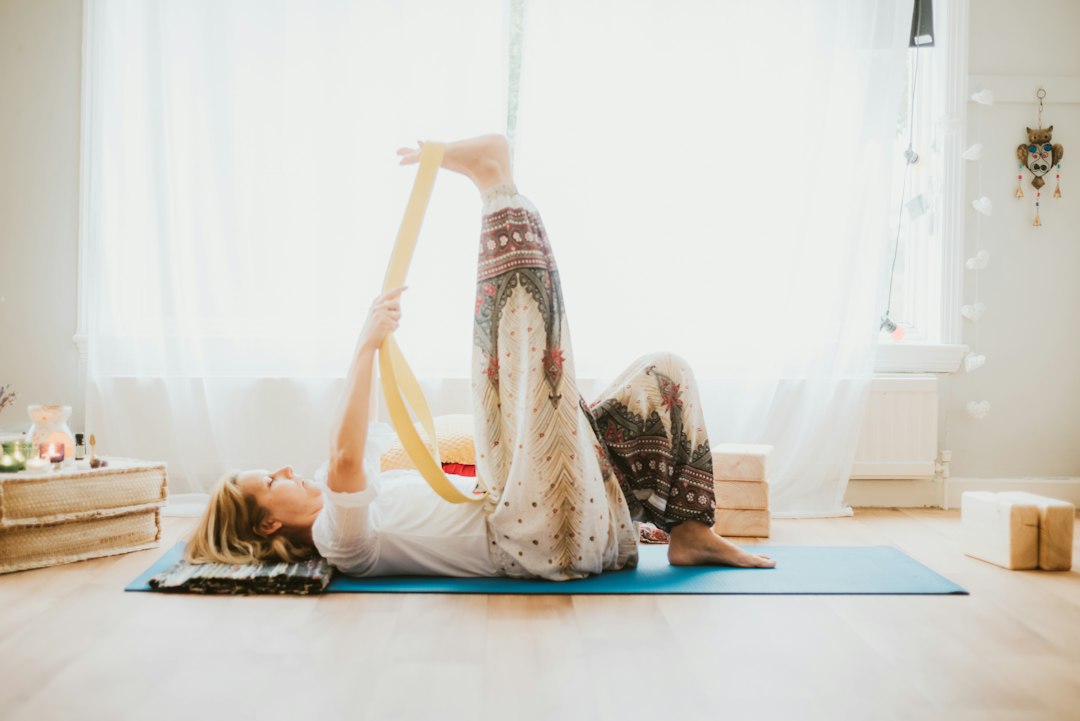
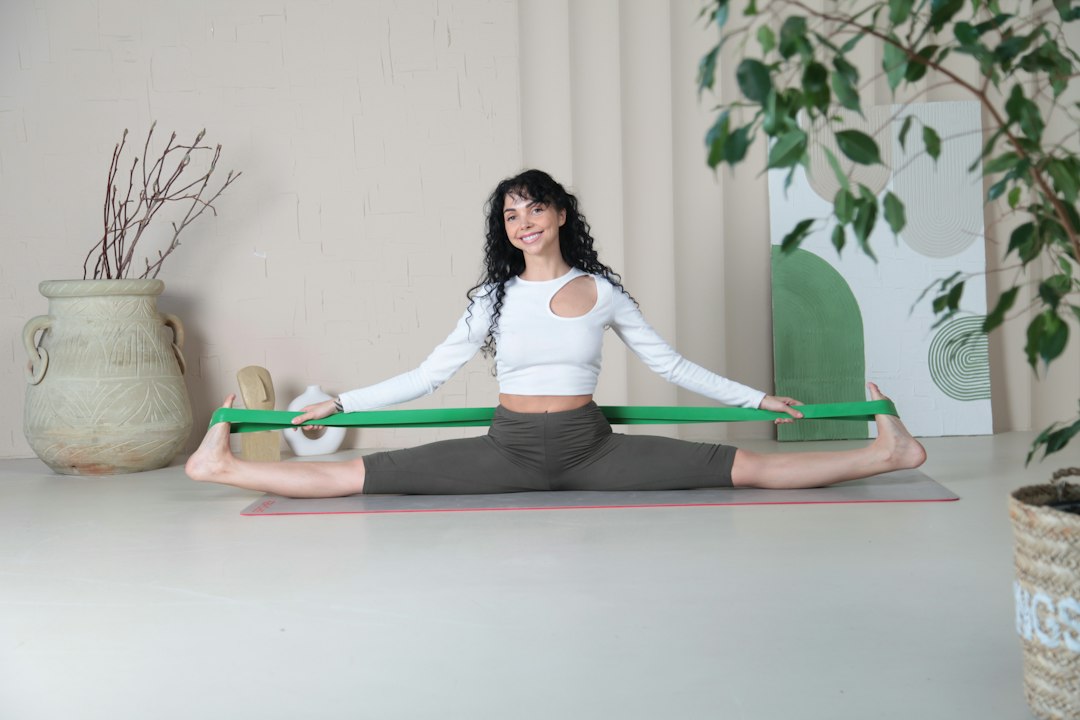
- Resistance bands (loop and tube set) — Cheap, portable and versatile for strength, mobility and assisted pull-ups. Bands let you work every major muscle group and scale difficulty quickly.
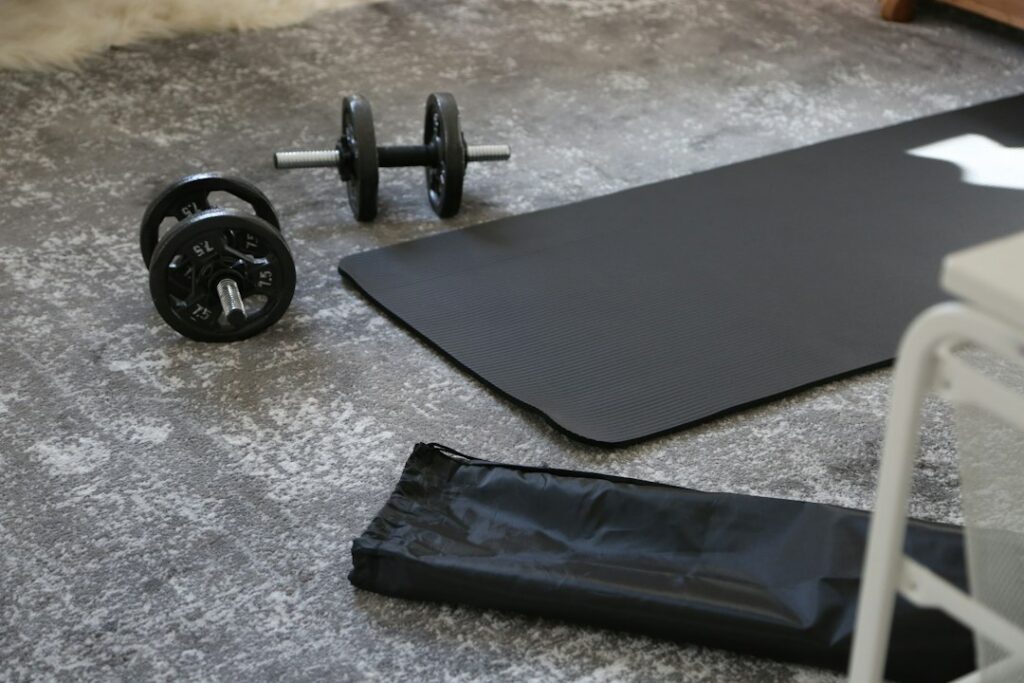
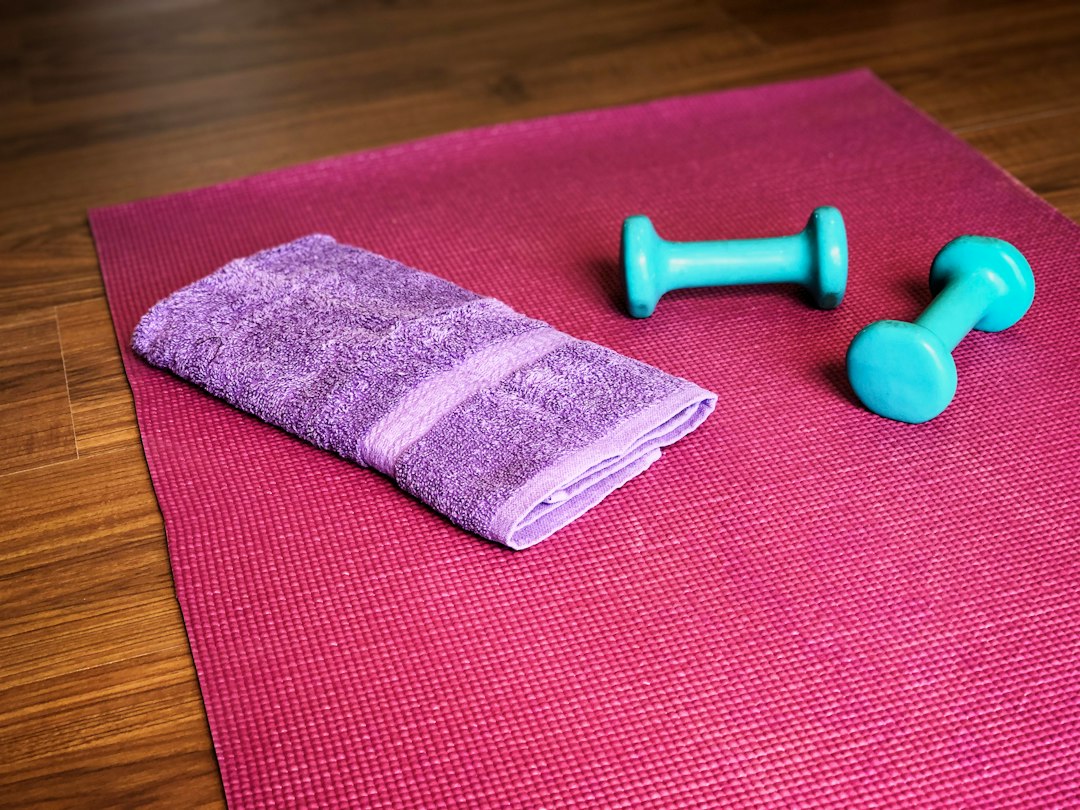
- Basic non-slip mat — Protects joints and provides traction. You don’t need a premium yoga mat; a 5mm non-slip mat is fine for beginners who plan floor work and stretches.
- Adjustable dumbbell or a small kettlebell — If budget allows, a single adjustable weight or one kettlebell (8–16 kg depending on strength) covers many moves. If not, use household items (filled water jugs or backpacks) as interim weights.
- Jump rope — One of the most affordable ways to add cardio and coordination without a treadmill. Low ceiling? Substitute brisk marching in place or step-ups on a sturdy stair.
- Timer or simple app — Use a free interval timer or the built-in clock on your phone to manage sets and rest; this enforces structure and progression.
Quick wins you can do without buying much
Bodyweight training covers a lot of ground: squats, lunges, push-ups (knees or incline on a table for beginners), glute bridges and planks. These moves build a base of strength while you decide whether to invest in weights. Design short circuits: 3 rounds of 8–12 reps per exercise with 45–60 seconds rest will show progress in weeks.
How to prioritize purchases as your budget grows
Think in tiers: buy essentials first, then add items that extend exercises or save time.
- Starter (under $50): resistance bands, mat, jump rope. You can do most progressions with these.
- Next ($50–150): one adjustable dumbbell or kettlebell and a better mat. This unlocks heavier strength training and safer loading for legs/back.
- Later: a pull-up bar, foam roller, or low-cost bench if you have the space and training interest.
One product recommendation that fits most beginners
When you’re ready to buy a single multi-use item that dramatically expands options, an adjustable dumbbell or kettlebell is the highest-value pick for most people: it covers presses, rows, swings and loaded squats without needing multiple fixed weights.
Space-saving setup and safety tips
Pick a 6–8 foot clear area—enough for stretching, a mat and a little lateral movement. Keep equipment in a single bin or a wall hook so it’s visible and easy to use; out of sight means out of mind. Always warm up for 5–7 minutes (marching, arm circles, gentle lunges) and stop if you feel sharp pain. When using improvised weights like water jugs or backpacks, check handles and closures before each set.
Sample beginner routines that use these essentials
Below are two short, practical workouts you can do 3–4 times weekly. Each takes 20–30 minutes and requires only a mat plus bands or one weight.
Full-body circuit (equipment: resistance bands)
- Squat with band around knees — 12 reps
- Band-assisted row (anchor at door) — 12 reps
- Push-ups (knees or incline) — 8–12 reps
- Standing band good mornings (hamstrings) — 12 reps
- Plank — 30–45 seconds
Repeat 2–3 rounds with 60–90 seconds rest between rounds. Increase bands’ tension as moves get easier.
Cardio + strength (equipment: jump rope and one weight)
- Jump rope — 60 seconds
- Kettlebell deadlift or dumbbell Romanian deadlift — 10 reps
- Walking lunges (bodyweight or holding weight) — 10 reps per leg
- Overhead press (single dumbbell) — 8–10 reps per arm
- Mountain climbers — 30 seconds
Repeat 3 rounds. If volume is too high, reduce rounds or time intervals.
Common beginner mistakes and how to avoid them
- Buying every trendy gadget — stick to what you’ll actually use; less is usually more.
- Skipping progressive overload — increase reps, sets, resistance, or reduce rest to keep improving.
- Poor form to lift heavier — slow down reps and use a mirror or phone video to check technique.
- Inconsistent scheduling — commit to short sessions on set days instead of sporadic long workouts.
Where to find more short plans and troubleshooting
If you want quick instruction videos or workout templates, use trusted free sources and apps. For organizing your small exercise area or choosing durable storage, our home organization guide has practical tips for compact setups.
- Clear a 6–8 foot space for movement and a mat.
- Buy resistance bands and a basic non-slip mat first.
- Schedule 20–30 minute sessions 3× per week to build consistency.
- Use a single adjustable weight before buying multiple kettlebells.
- Warm up each session and check form with a mirror or video.
Start with inexpensive, high-utility gear—resistance bands and a mat—focus on consistent, progressive workouts, and add an adjustable weight when you need more resistance. Small, regular sessions beat pricey equipment sitting unused.
Can I build strength with only bodyweight?
Yes—bodyweight exercises can increase strength for beginners if you progress difficulty (more reps, slower tempo, unilateral variations like single-leg or single-arm moves).
Are resistance bands as effective as dumbbells?
Bands provide excellent resistance and joint-friendly tension; they’re very effective for many exercises, though heavier free weights are better once you need high loads for maximal strength.
How often should a beginner add weight?
When you can comfortably complete 3 sets of 12–15 reps with good form, it’s a reasonable sign to increase resistance or add weight.
What if I don’t have space for a mat?
Use a carpeted area or fold a thick towel for cushioning; prioritize non-slip surfaces to avoid injury during dynamic moves.
Is a pull-up bar worth it for beginners?
A pull-up bar is useful but optional; resistance bands can assist pull movements until you build enough strength for unassisted pull-ups.