

Many people assume any brightly colored or advertised “pet toy” is safe—here’s what actually matters
Choosing safe pet toys starts with matching the toy to your animal’s size, chewing strength and play style. The phrase safe pet toys should guide your buying decisions: it’s not about brand or gimmicks but about materials, construction, and realistic use. Read the quick answer first: pick the right size, avoid small detachable parts, choose non-toxic materials, and supervise new toys until you’re confident they’re safe.
How to prioritize safety before you look at specific toys
Before picking a type of toy, check these four priorities in order. If a toy fails any one, it’s a poor choice regardless of how attractive it looks.
- Size and shape: A toy must be too large to swallow but small enough to play with comfortably. For dogs, a ball that fits fully inside the mouth is a choking risk; for cats, tiny parts that come loose are hazardous.
- Material and toxicity: Look for non-toxic labels, food-grade rubber, or natural fibers. Avoid cheap plastics or vinyl that can leach chemicals or fragment under chewing.
- Durability for the pet’s bite strength: Match “soft chewer” to plush and “power chewer” to chew-rated rubber or rope. Durable toys reduce the chance of ingestion of small pieces.
- Construction details: Seams, glued-on eyes, or stuffing pose risks if your pet tears the toy. Choose stitched closures and embedded components for chewers.
Match toys to use case: play style and environment
Think about how and where the toy will be used—rough outdoor fetch calls for different properties than quiet indoor enrichment. Below are common use cases and what matters for each.
Fetch and high-impact play (dogs)
Requirements: bounce, visibility, and chew-resistance. For heavy chewers choose dense, natural rubber or reinforced balls designed to resist tearing. For light chewers a tennis ball alternative with a softer exterior is fine.
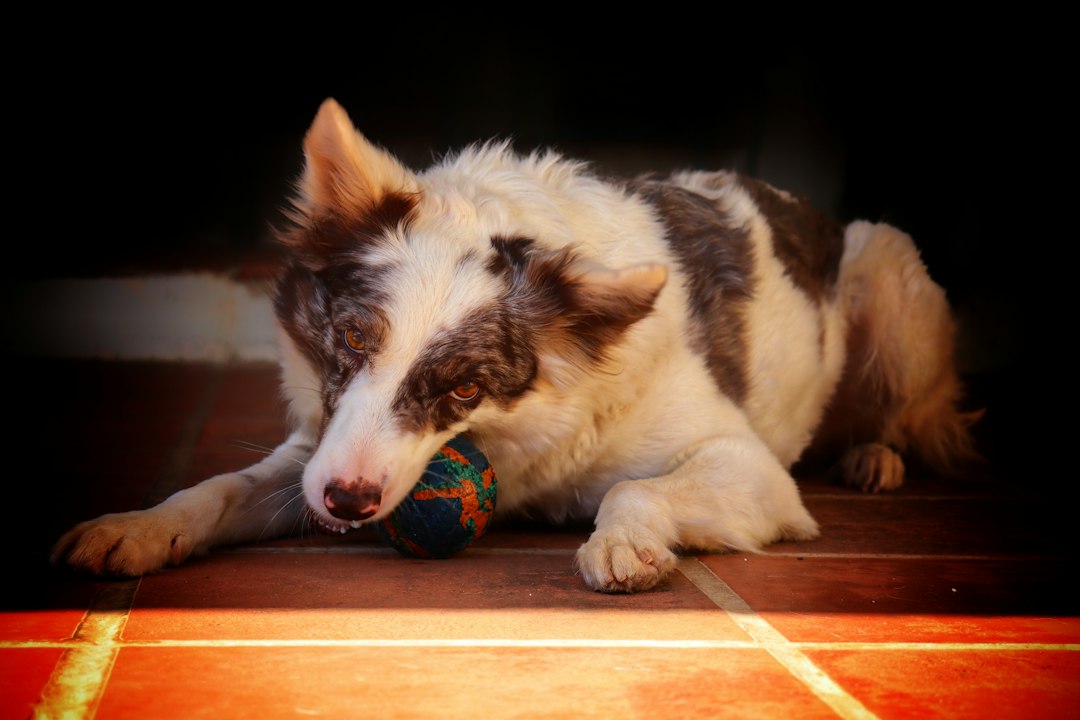
Tip: avoid real tennis balls for aggressive chewers—the abrasive felt can wear teeth.
Tugging and interactive play (dogs)
Tug toys should have solid knots and no loose threads. Prefer braided rope with a tight weave or reinforced fabric loops. Replace tug toys at the first sign of heavy fraying to avoid swallowing fibers.
Chasing, pouncing and swatting (cats)
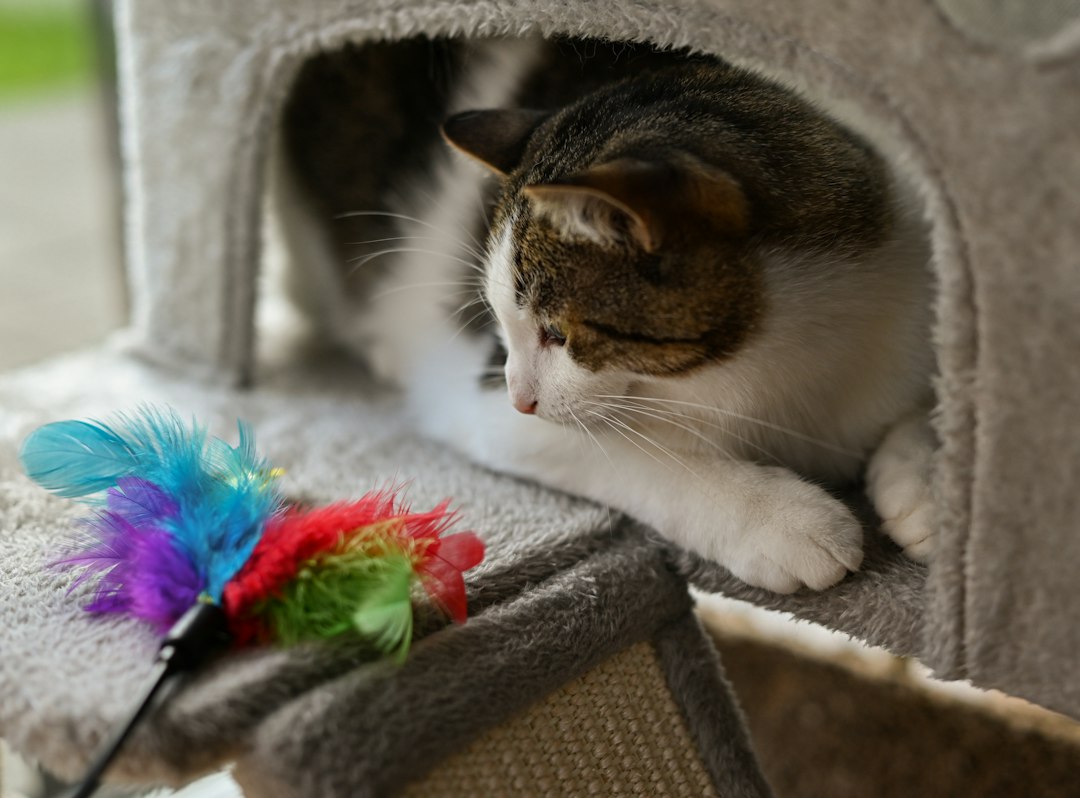
Interactive wands, feather toys, and small motorized chase toys excel here. Safety points: no exposed wires, securely attached feathers or parts, and breakaway handles on wands to prevent entanglement. Motorized items should have chew-resistant casings and be used in short supervised sessions.
For lone play, offer puzzle feeders or balls with enclosed treats; these reduce destructive behavior without loose parts.
Chewing and dental care (dogs and small pets)
Chew toys double as dental aids if they have textured surfaces. Rawhide often causes blockages; prefer edible chews with transparent ingredient lists or rubber chews meant for heavy chewing. For rabbits and guinea pigs, natural wood chews and hay-based toys are safe and digestible.
Mental enrichment and slow feeding (all pets)
Puzzle feeders, treat-dispensing balls, and sniffing mats slow down eating and keep pets engaged. Ensure the compartments can’t trap paws or claws and that small removable parts are avoided.
When to choose washable or replaceable toys
Hygiene matters: choose machine-washable plush or hard toys that can be cleaned with mild soap. Outdoor toys that carry mud or parasites should be washed frequently. Replace toys on a schedule for intense chewers—inspect weekly and retire at the first tear.
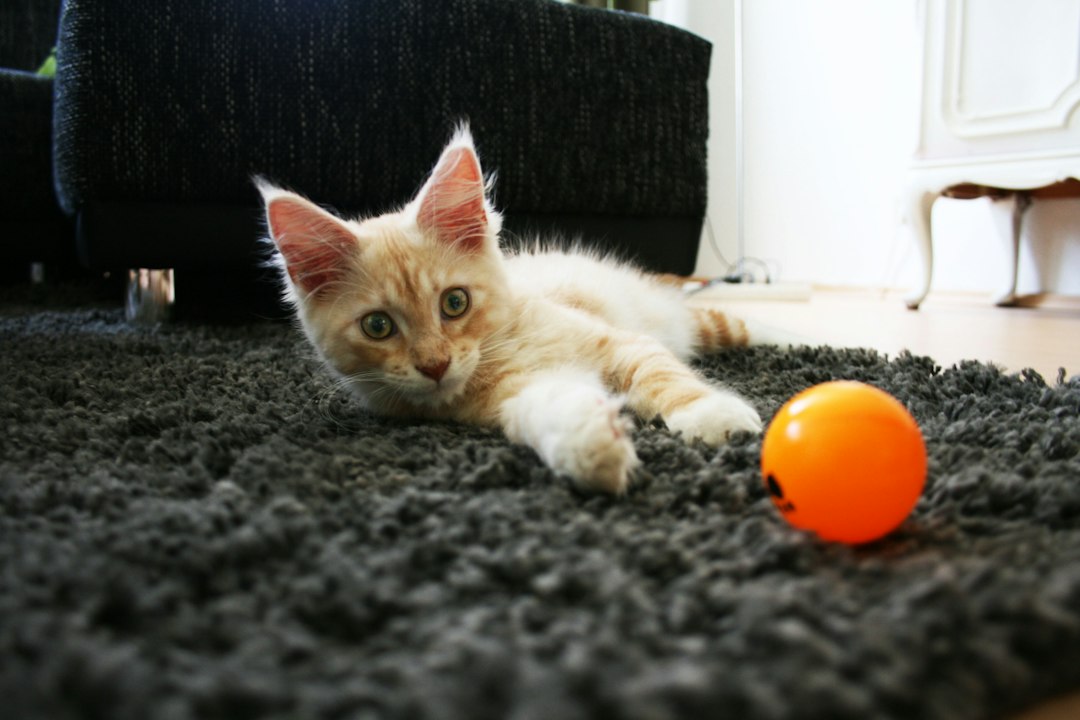
One recommended product for general-purpose safe play
If you want a single, durable option that suits a wide range of dogs and active play styles (fetch, chew, indoor play), consider a heavy-duty chew ball or rubber toy rated for strong chewers. It should be solid, have no glued parts, and be marked non-toxic.
Troubleshooting common toy hazards and edge cases
- Pets that swallow toys: Stop giving hard toys and switch to oversized soft toys meant for retrieval only. Supervise play and consider muzzle training during unsupervised moments.
- Allergic reactions or oral irritation: If your pet shows drooling, pawing at mouth, or skin rash after new toys, remove the item and consult a vet—natural rubber and cotton are less likely to cause reactions than synthetic vinyl.
- Destructive chewing: Redirect to indestructible chew-rated toys and use puzzle feeders to reduce boredom; rotate toys so novelty is preserved.
- Multi-pet households: Separate fragile toys by species—cats and small mammals should not have access to dog chew toys with heavy rubber that could injure them.
How to test a new toy safely at home
- Inspect for loose pieces or chemical smell before giving it to your pet.
- Introduce the toy in a short supervised session; watch for tearing, choking, or unusual reactions.
- If the pet aggressively chews it, remove it after 10–15 minutes and inspect for damage; don’t leave easily damaged toys unsupervised.
Where to look and what labels help
Trusted sellers list materials (natural rubber, cotton, food-grade silicone) and provide size/weight guidance. Look for labels like “non-toxic,” “BPA-free,” or “phthalate-free,” and prefer toys with clear cleaning instructions. When in doubt, check reviews describing durability for pets with similar size and play behavior.
When to retire a toy
Retire toys that have cracks, exposed stuffing, loose seams, frayed ropes, or missing parts. Even a small cut that creates sharp edges or internal guts is reason to discard the toy.
- Is the toy too small to swallow for your pet’s mouth size?
- Is the material listed and labeled non-toxic or food-grade?
- Would your pet’s chewing style destroy fast-fraying parts?
- Can the toy be cleaned easily and inspected regularly?
- Will you supervise initial play sessions to confirm safety?
Choose safe pet toys by matching size, material, and durability to your pet’s play style, inspect and supervise new toys, and retire damaged items promptly. Prioritize non-toxic, well-constructed items over novelty features.
How often should I replace my pet’s toys?
Replace toys when you see tears, fraying, or small pieces coming loose; for heavy chewers inspect weekly and replace more often—otherwise every few months depending on wear.
Are rubber toys safe for all dogs?
Many are, but choose chew-rated rubber for strong chewers and avoid brittle or thin rubber with aggressive chewers who can break pieces off and swallow them.
Can cats use dog toys?
Not usually; dog toys are often too large or heavy. Offer cat-sized interactive and lightweight toys designed for pouncing and batting instead.
What materials should I avoid?
Avoid cheap PVC/vinyl with strong chemical odors, toys with glued-on eyes or parts, and rawhide for pets prone to gulping large pieces.
How do I clean pet toys?
Wash plush toys on a gentle machine cycle and air-dry; sanitize rubber or plastic toys with warm soapy water and rinse thoroughly. Follow manufacturer instructions where provided.