

When hair, dirt or a mat shows up between walks
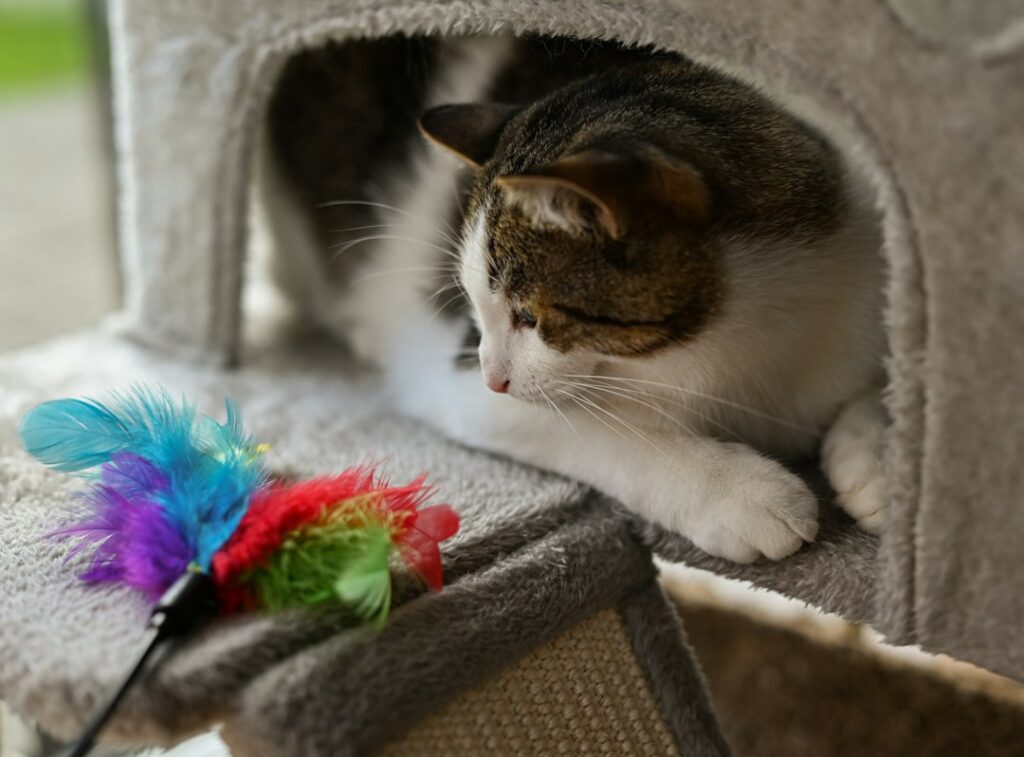
You notice your dog leaving a fur trail on the couch, or your cat grooms so much the collar rubs. Those everyday signs are the moments that tell you it’s time for pet grooming at home. A short, regular routine prevents emergencies (matted hair, painful nails) and keeps vet visits simpler. Below are the tools and practical tips that make home grooming safe, quick and doable for most dogs and cats.
Assemble a starter grooming kit
Build one kit that lives near where you groom. Essentials:
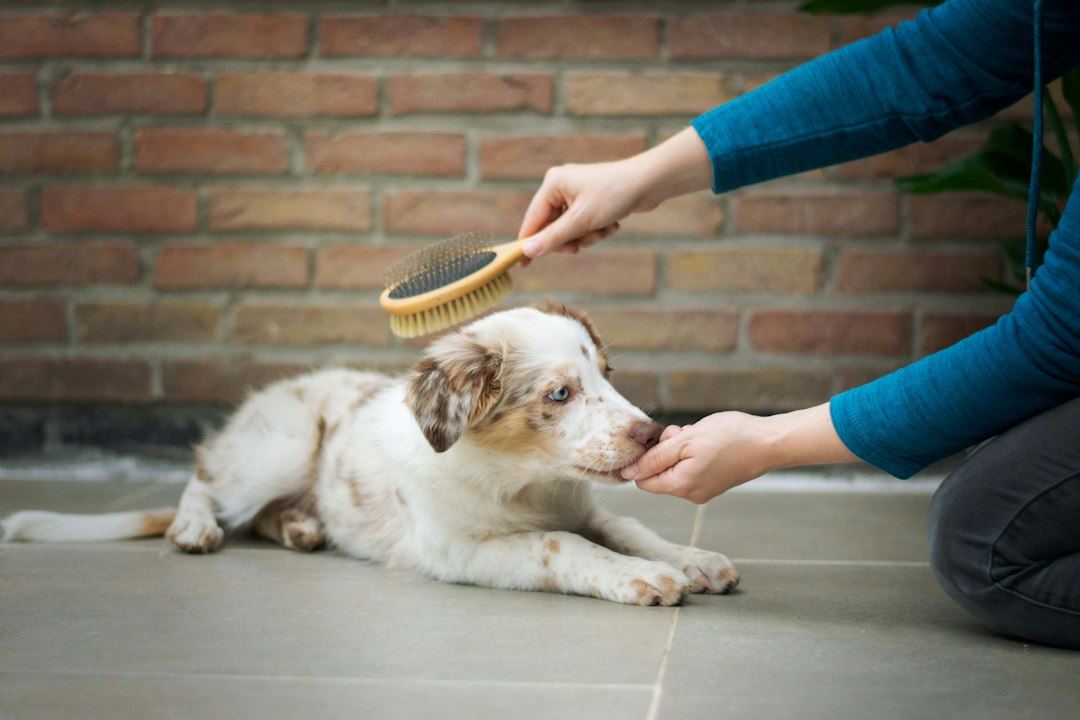
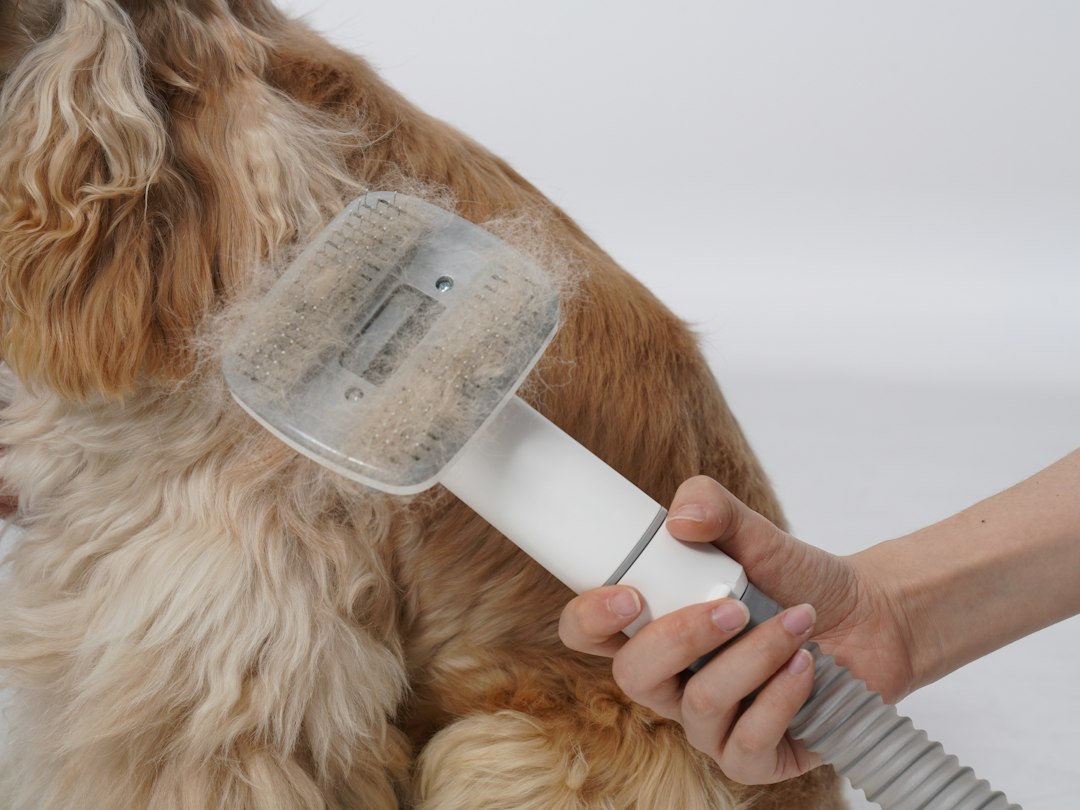
- Brushes: a slicker brush for tangles, a bristle or rubber brush for short coats, and a deshedding tool if your pet sheds heavily.
- Nail clippers or a grinder suited to your pet’s size.
- Pet-safe shampoo (tear-free for cats) and a conditioner if the coat is dry or curly.
- Ears wipes or a vet-approved ear solution and cotton pads.
- Towels, a non-slip mat, and a steady surface—no high jumps for nervous pets.
- Treats and a small spray bottle of water for calm corrections.
Store backups of clippers and a separate brush for bathing so wet tools dry properly.
Brushing: quick wins and when to slow down
Brushing removes loose hair, spreads natural oils and stops mats before they form. For most dogs and cats, 5–10 minutes, three times a week is enough; long, thick coats usually need daily attention.
- Start with the least sensitive spots—back and shoulders—so the pet learns sitting equals good attention.
- Use short strokes and keep the skin visible; if you can’t get through a tangle with a slicker, gently work a detangling spray in and hold the base of the hair to avoid pulling.
- For heavy shedders, a deshedding tool used briefly will cut loose undercoat without damaging guard hairs—don’t overuse it.
Bathing without drama
Baths should be infrequent for most pets—every 4–8 weeks for active dogs; cats usually need bathing only if messy or medically required. Overbathing strips oils.
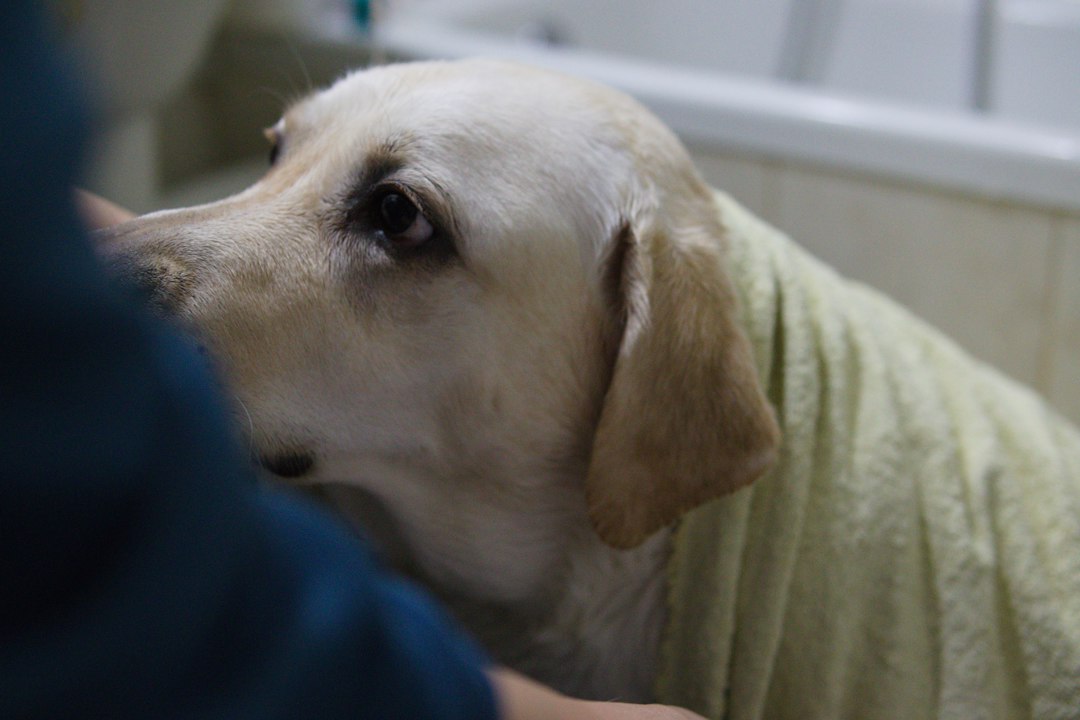
- Prepare everything: towel, shampoo, cup or handheld sprayer, and treats. A quick workflow makes the pet feel safer.
- Use lukewarm water and wet the coat thoroughly before applying shampoo; massage gently and avoid the eyes and deep in the ears.
- Rinse well—soap residue irritates skin. Towel dry and use a hair dryer on low heat only if your pet tolerates it and keep it moving to avoid hotspots.
Nail trimming tips that reduce the risk of quicking
Nails are a frequent source of stress for owners. The easiest approach is trimming a little more often—short trims every 2–3 weeks reduce quick growth.
- Work in bright light and keep styptic powder nearby. Hold the paw gently and only trim the tip; if you see a pink oval (the quick) in lighter nails, stop.
- If nails are dark and you can’t see the quick, remove tiny amounts and let the pet get used to short sessions. A grinder works well for smoothing edges and is less likely to split the nail.
- Reward immediately after each paw to build a calm association.
Cleaning ears and teeth—small steps, big payoff
Ear and dental care prevent infections. Check ears weekly for dirt, wax, or odor. Use vet-approved ear cleaner on a cotton pad—never push deep into the canal.
For teeth, daily brushing is ideal but even three times a week reduces tartar. Use a pet toothbrush and toothpaste formulated for animals (never human paste). If your pet resists, start with finger rubs and gradually introduce the brush.
Handling mats and delicate areas
Mats need patience. Try to loosen them with your fingers and a detangler spray; use a mat splitter or wide-toothed comb only when the pet is calm. For dense mats near the skin, clipping may be safer—consider a professional for stubborn mats to avoid cutting skin.
Delicate zones (face, belly, groin) respond best to short, gentle sessions. Trim hair around eyes with rounded-tip scissors and hold the pet’s head steady; use treats as a steadying reward.
Set up for success: space, timing and temperament
Choose a calm time—after a walk when the dog is less excitable, or when the cat has been restful. A non-slip mat and a towel under the pet reduce slipping and stress. For nervous animals, break tasks into two-minute sessions rather than forcing a long grooming appointment.
When to call a pro
If your pet has severe mats, chronic ear infections, painful skin, or if grooming triggers aggressive behavior, seek a groomer or vet. Professionals can handle clipping, shave-downs and medicated baths safely.
Practical maintenance and shopping notes
Replace blades on clippers yearly if you groom often and clean tools after each wet session. Buy brushes sized to your pet: smaller slickers for cats and small dogs, larger heads for big breeds. When trying a new shampoo or ear solution, test a small area first for sensitivity.
- Brush regularly: choose the right brush for coat type.
- Trim nails a little and often; keep styptic powder handy.
- Only bathe when necessary with pet-safe shampoo.
- Inspect ears and teeth weekly; use vet-approved cleaners.
- Set up a non-slip grooming area and reward good behavior.
- Book a professional groomer for severe mats or behavioral challenges.
Pet grooming at home is manageable with a small, well-chosen kit and short, consistent sessions. Focus on brushing, safe nail trims, gentle baths and preventive ear/tooth checks—call a pro when you face mats, infections or stress-related behavior.
How often should I bathe my dog or cat?
Most dogs benefit from baths every 4–8 weeks unless they get very dirty; cats usually need baths only for specific issues. Overbathing can dry skin.
What brush is best for shedding?
A deshedding tool or undercoat rake is best for heavy shedders; combine it with a slicker brush to remove loose hair and avoid breakage.
Can I use human shampoo on my pet?
No—human shampoos can irritate pet skin. Use shampoos formulated for pets and choose tear-free or sensitive formulas for young or reactive animals.
How do I avoid cutting the quick when trimming nails?
Trim small amounts frequently, work in good light, and stop when you see a pink area in light-colored nails. For dark nails, grind slowly or trim tiny bits over repeated sessions.
When should a vet or groomer handle grooming?
If your pet has painful mats, sores, recurring ear infections, or aggressive behavior during grooming, a professional provides safer handling and treatment.