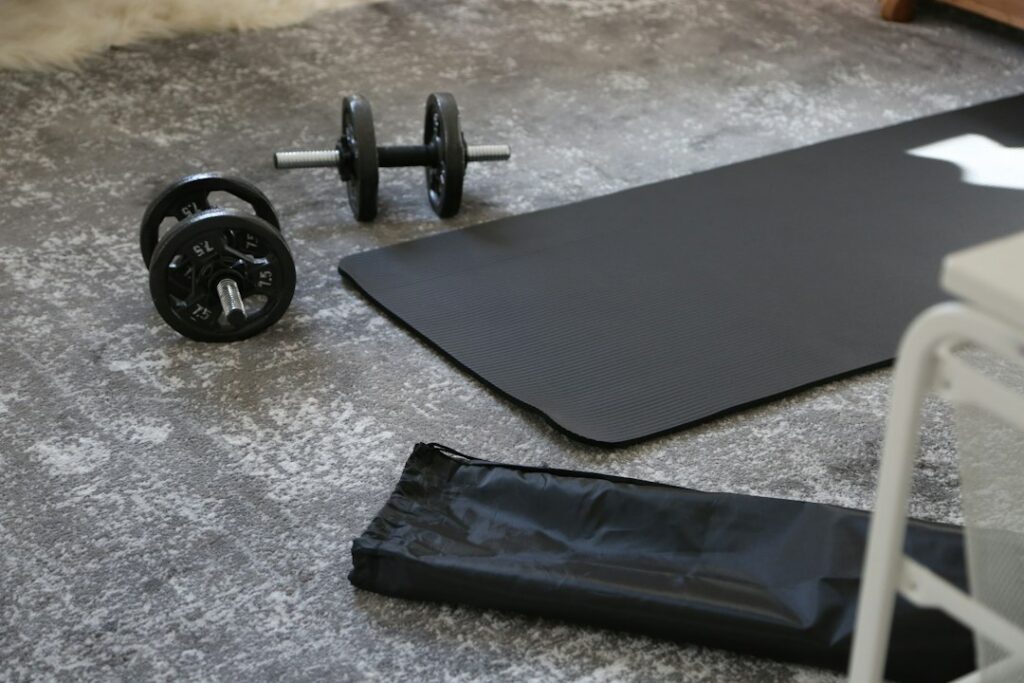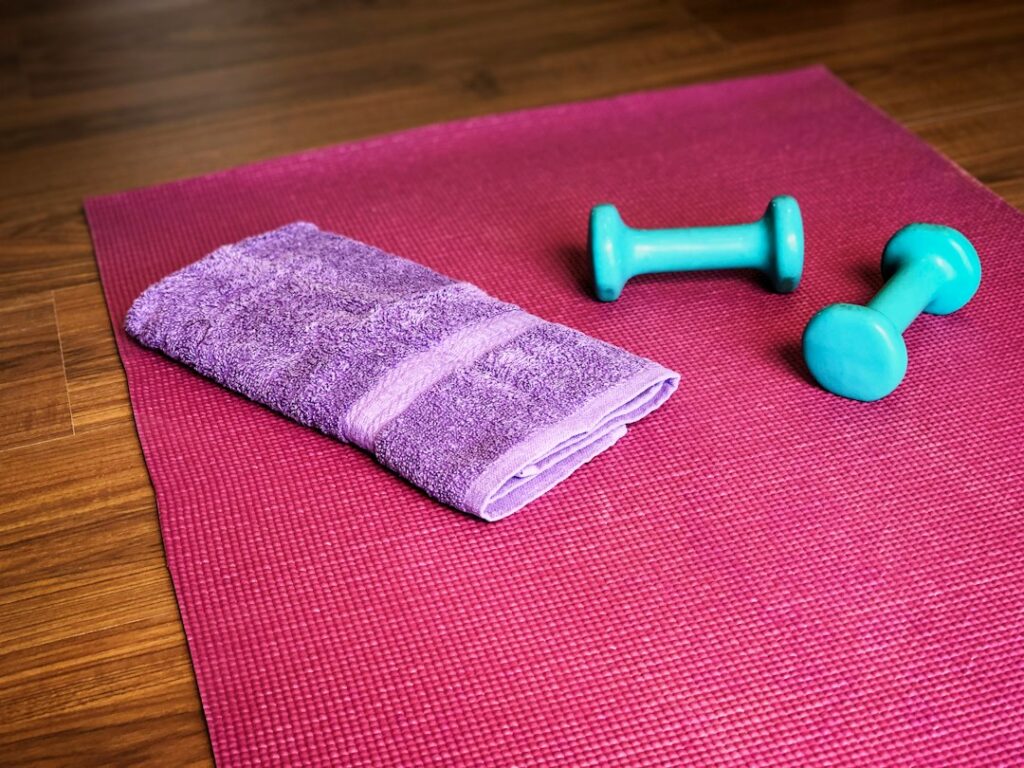


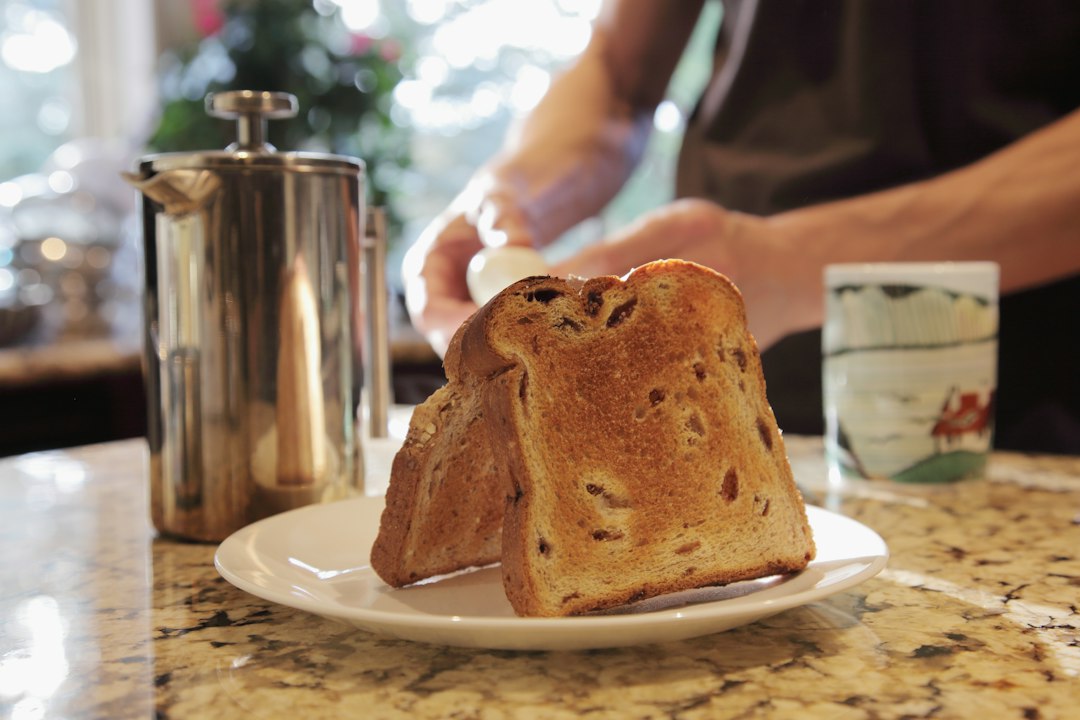
Simple takeaway: pick three tiny, practical self-care ideas you can actually do every day — one for morning, one for the workday, and one for evening — and keep them intentionally short so they become reliable routines. The rest of this article explains which small habits help most, why they belong where they do, and where to simplify rather than add steps.
Why three tiny habits beat one long to-do list
Long self-care checklists are aspirational but rarely sustainable. Simple self-care ideas that slot into existing parts of your day reduce friction and make consistency possible. By choosing one short practice for morning, one for midday, and one for evening, you cover energy, focus, and recovery without creating new chores.
Morning: quick wins to start your day calmer and clearer
Why it matters: your morning sets the tone for decision-making and stress levels. A 2–10 minute ritual gives you momentum without requiring extra time.
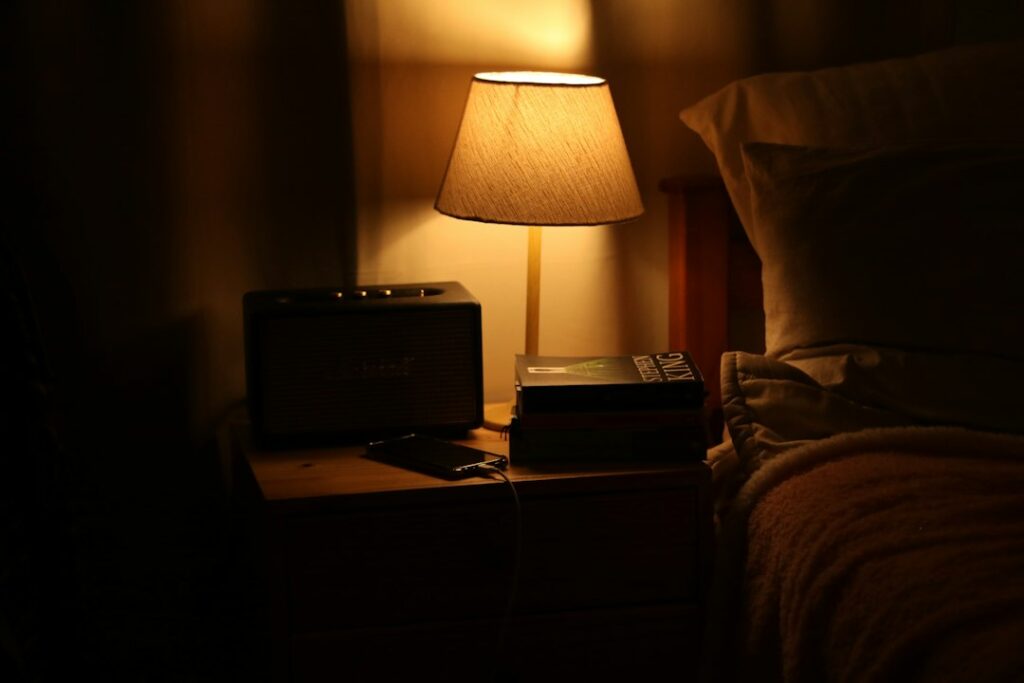
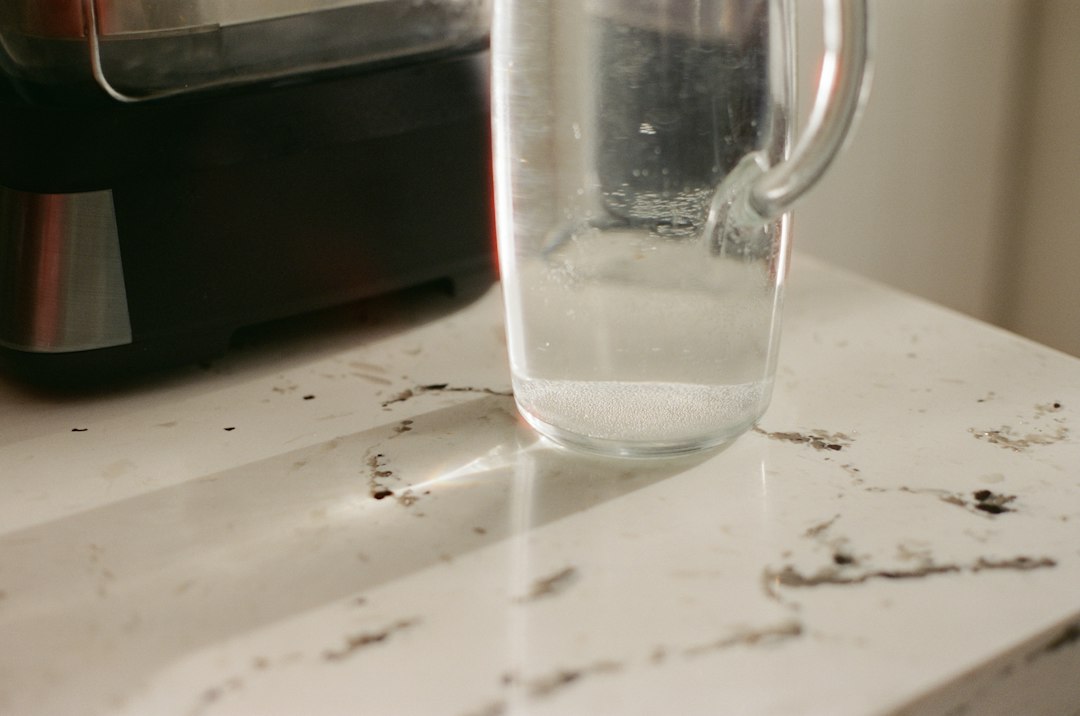
- Hydrate first thing (30–60 seconds). Keep a glass of water on your bedside table and drink it before checking your phone. Hydration supports alertness and reduces the habit of grabbing caffeine to fill an avoidable gap.
- Two-minute stretch or movement. Do a short sequence (neck rolls, shoulder openers, hip circles) while standing. This wakes the body and reduces morning tension more effectively than a single heavy workout that’s easy to skip.
- One focused intention. Spend 60 seconds choosing a single priority for the day — not a to-do list, but the one outcome you most want to protect. Write it on a sticky note or in a phone note labeled “Today.”
During the day: micro-care that protects energy and focus
Why it belongs mid-day: work drains focus and posture. Short, repeatable acts during the day reduce fatigue and prevent evenings from becoming an emergency recovery time.
- Set a 50/10 rhythm. Work 50 minutes, break 10. Use the break to stand, walk a few steps, drink water, or do a 60-second breathing exercise—anything that moves your body and resets attention.
- Snack smart, not strict. Keep one easy, satisfying snack available (a small bowl of nuts, a yogurt, or fruit). This prevents blood-sugar dips that trigger stress and poor choices.
- Mini skincare or face massage (optional). A 1–2 minute face cleanse or gua sha/roller can feel restorative and give you a non-screen, self-soothing pause. If you want a simple device, the facial cleansing brush (ID 1350) is a compact option for refreshing skin between meetings.
Evening: wind-down practices that actually help sleep
Why this matters: evening routines affect sleep quality and tomorrow’s energy. Keep evening self-care short and sensory-focused to signal the body it’s time to recover.
- Light reduction and a 15-minute buffer. Dim overhead lights and spend 15 minutes on a quiet activity — reading, gentle stretching, or journaling. Avoid starting new tasks in that window.
- One short reflection. Spend 3–5 minutes listing three wins from the day, however small. This trains your brain to end the day on completion instead of unfinished tasks.
- Comfort ritual. Do a tactile, pleasant action such as applying hand cream, a face roller over moisturizer, or brewing a caffeine-free tea. These help transition the nervous system toward relaxation.
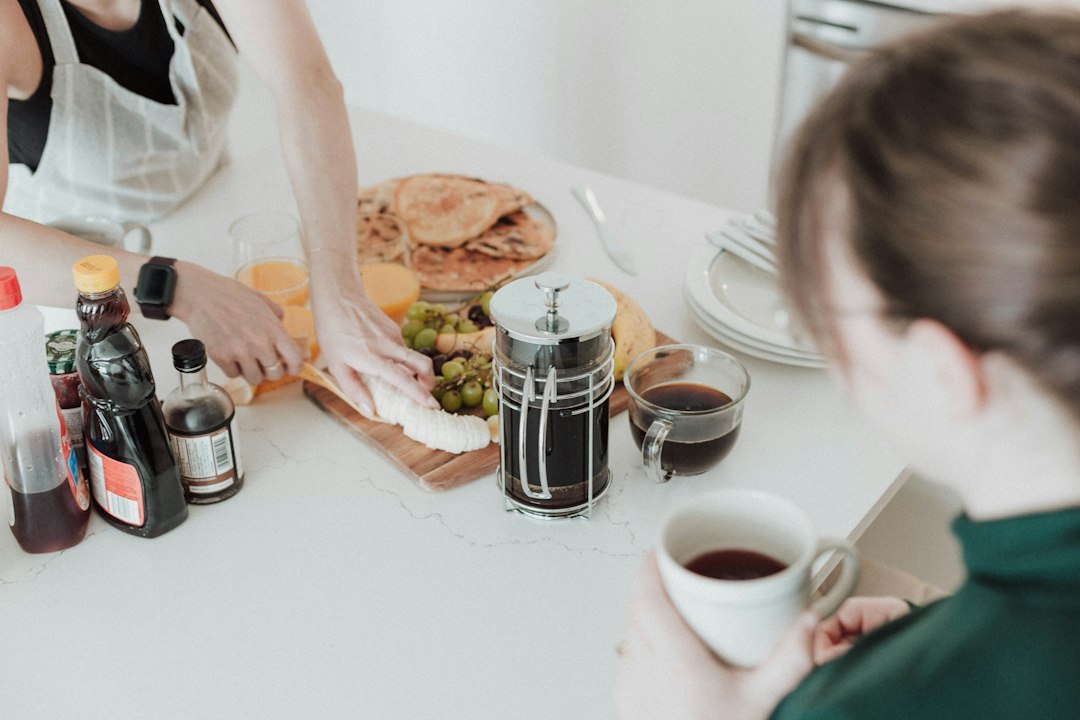
Where to simplify rather than add more steps
Pick the smallest effective version of each habit. If a morning ritual feels like an extra chore, scale it down. For example, swap a 30-minute workout for a 2-minute stretch, or replace a long skincare routine with a quick cleanse and SPF. The purpose is regularity, not perfection.
How to make these habits stick
- Anchor them: attach the new habit to something you already do (after brushing teeth, after lunch, before getting into bed).
- Use simple prompts: set a single phone alarm labeled with the action, or keep equipment visible (water glass, journal, face roller) so you’re reminded without thinking.
- Track only when helpful: a short streak tracker for the first two weeks can build momentum; stop tracking if it becomes punitive.
Product note — when a tool actually helps
Small devices can reduce barriers when they replace multi-step processes. The facial cleansing brush (ID 1350) is a practical option if you want one compact tool that speeds cleansing, offers a short massage, and feels like a mini-spa break during the day. Use devices as convenience helpers, not as reasons to lengthen routines.
Realistic daily flow you can try this week
- Morning (under 5 minutes): drink a glass of water, two-minute stretch, set one priority.
- Midday (brief breaks): use a 50/10 rhythm with a hydration break and one 60-second breathing or snack pause.
- Evening (15–20 minutes): dim lights, 3–5 minutes of reflection, a comfort ritual like tea or a face roller before bed.
- Place a glass of water on your bedside table tonight.
- Set a single phone alarm labeled “stretch” for tomorrow morning.
- Prepare one easy midday snack for tomorrow.
- Choose a 15-minute evening buffer activity and schedule it.
Simple self-care ideas work when they’re short, specific, and tied to existing routines. Commit to three micro-habits—morning, midday, evening—and refine them after two weeks based on what actually feels doable.
How long should a self-care habit take?
Start with 1–10 minutes. Tiny habits are easier to sustain; you can always expand later if they stick.
Can I combine multiple self-care actions?
Yes, combine only when they naturally fit one moment (e.g., drinking water while setting your daily priority). Avoid creating long multi-step rituals that increase friction.
What if I miss a day?
Missing a day is normal. Return to the routine without judgment—consistency over time matters more than perfection.
Are devices necessary for a self-care routine?
No. Devices can make some habits easier, but they’re optional. Use them only if they reduce steps or increase the chance you’ll do the habit.
How do I avoid routines feeling like chores?
Keep practices short, sensory, and tied to pleasant cues (warm tea, soft light, tactile cream). The goal is recovery, not extra work.