

Practical observation before you start
Most clutter isn’t dramatic: it’s small, recurring piles — mail on a counter, a toothbrush in a drawer, one more grocery bag in the pantry. These home organization tips focus on stopping those tiny habits before they multiply so the house stays usable without constant overhaul.
Start with a 20-minute zone clear
If you want visible progress fast, pick one zone — entryway, kitchen counter, or a junk drawer — and spend 20 minutes removing non-essential items and sorting into three piles: keep, relocate, donate/trash. This quick win gives momentum and a clear example of what "done" looks like in your home.
Adopt one decision rule for incoming items
Preventing clutter beats clearing it. Choose a single rule such as “one in, one out” for non-essentials (decor, small gadgets) or “put it away now” for items carried inside. Train family members by placing a clear landing spot — a small tray for keys and wallet, a basket for backpacks — so decisions happen fast.
Design "workflows" for high-traffic spots
Think of how items move through your home. The kitchen has an incoming (groceries) and outgoing (dishes) workflow; the entryway handles mail and outerwear. Create simple stations: a mail sorter and recycling bin near the door, hooks and a bench for shoes, a charging tray to corral devices. When the place where an item belongs is obvious, people use it.
Use small, visible storage before large hidden spaces
Transparent or labeled small containers on counters and shelves reduce decision friction. For example, a wall-mounted sponge holder keeps dish tools dry and prevents them from lingering in a sink corner; labeled pantry jars make it easier to return items. Reserve large closed bins for seasonal storage and items you access less often.
Make the most of vertical and underused spaces
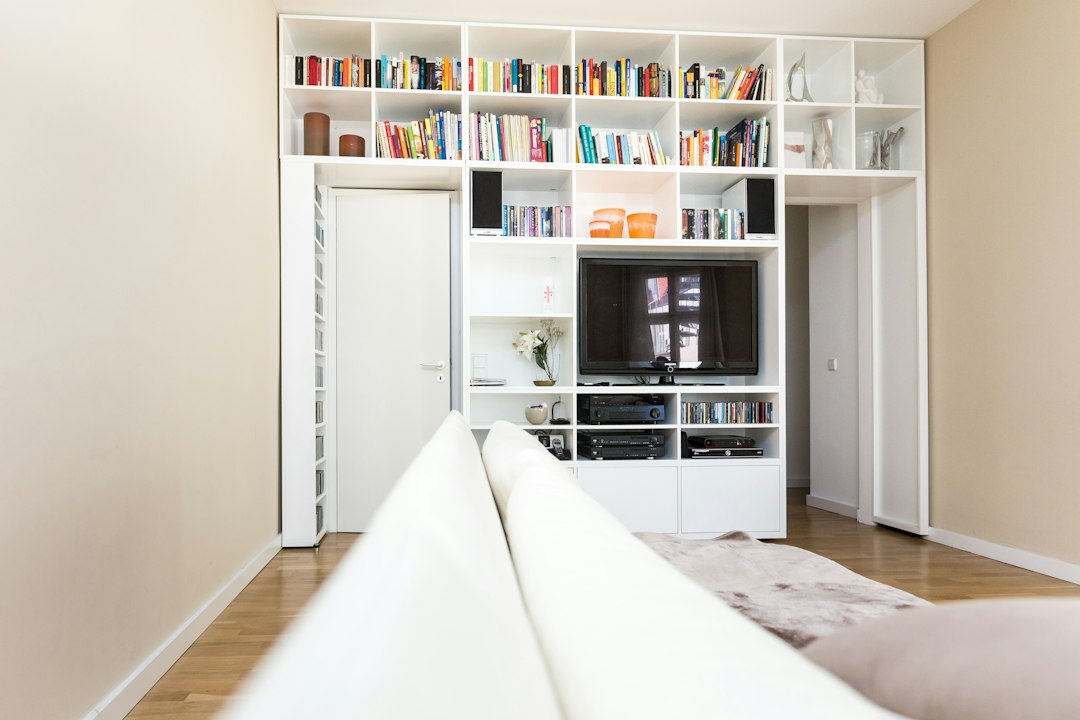
Install hooks inside cabinet doors for pot lids, add a slim rolling cart beside the fridge, and use under-bed boxes for off-season clothing. Vertical shoe racks, over-the-door organizers and shelf risers multiply storage without crowding floor space. The trade-off: visibility. Use clear bins or labels so stored items remain retrievable.
Control paper and small daily clutter with simple systems
Paper is a repeat offender. Replace stacks with a three-slot sorter labeled “Action,” “File,” and “Shred/Recycle.” Sort mail immediately: if it needs attention, put it in Action; otherwise file or recycle. For small items like receipts and cables, a drawer organizer or a shallow tray keeps them corralled so they don't migrate around the house.
One meaningful product that helps now
When you need a compact tool to keep sink clutter controlled, a small wall-mounted sponge and soap rack can change daily cleanup habits and free counter space. It’s a low-effort install that shows immediate benefit in the busiest room.
Make tidying a short daily habit
Instead of a weekly marathon, spend two 10-minute sessions each day: one in the morning to clear the high-traffic surfaces and one at night to return items to their places and empty visible bins. Short, frequent resets prevent clutter from becoming an overwhelming project.
Declutter with clear criteria and follow-through
When you face a full closet or pantry, use concrete rules: if you haven’t used it in 12 months, consider donating; if it’s damaged, recycle. Box items you’re unsure about and date the box — if you haven’t opened it in six months, let it go. Schedule donations immediately so decisions translate to action.
Customize by room — quick examples

- Entryway: slim bench with baskets for shoes, a hanging organizer for mail, a coat hook bank; keep surfaces clear.
- Kitchen: magnetic clips for bags on the fridge, sink rack for sponges, transparent containers for pantry staples.
- Bathroom: drawer dividers for cosmetics, shallow trays for daily items, a small hamper to prevent towels piling on surfaces.
- Bedroom: under-bed storage for off-season clothes, vertical folding for drawers to maximize space and visibility.
Keep maintenance realistic — a declutter calendar
Assign one small area per month for a deeper pass: pantry in January, linen closet in February, garage in March. Combine these with your daily 10-minute habits so maintenance doesn’t pile up. Use a calendar reminder tied to a simple checklist and treat each session as routine maintenance rather than a crisis.
When to invest in storage solutions
Buy a storage product when you have a repeated, solvable problem — shoes spilling across the floor, a drawer that’s always jammed, or a sink area that never drains properly. Match the solution to the need: clear bins and labels for visibility, a wall rack for wet items, and drawer dividers for small parts. Buying before you understand the pattern often creates new clutter.
- Choose one zone and clear it in 20 minutes.
- Create a single landing spot for keys and daily items.
- Set a two-times-daily 10-minute tidy routine.
- Use vertical space and cabinet doors for extra storage.
- Box and date unsure items; donate after six months.
- Schedule one monthly declutter area on your calendar.
Start small and make storage decisions visible and automatic. Quick daily habits plus a few well-chosen organizers prevent clutter from becoming overwhelming and keep the home practical and comfortable.
How quickly can I see results from these tips?
You can get noticeable improvement in one focused 20-minute session and maintain it with two daily 10-minute tidies; bigger areas take monthly passes.
What’s the easiest place to start?
Start at the entryway or kitchen counter — clearing these surfaces creates visible impact and smoothes daily routines.
How do I stop sentimental items from clogging space?
Limit sentimental keepsakes to a single dedicated box per person or rotate a small display; photograph items before letting them go if you want to preserve memory without storage cost.
Are clear bins worth the cost?
Yes — for frequently accessed items, clear bins save time by making contents visible; label opaque bins to get the same benefit at lower cost.
Can one product solve recurring sink clutter?
A wall-mounted sink sponge and soap rack addresses moisture and clutter at the source and is a low-effort way to keep counters clear.