

Start by deciding what stays: a quick purge that saves time every morning
Makeup organization begins with a realistic edit. Pull everything out, and in one sitting decide what you use in the last 12 months, what’s expired, and what you keep for special occasions. Keep a small “daily” pile (the products you reach for each morning), a “seasonal/special” pile, and a donate/swap pile. This upfront cull reduces clutter and makes the rest of the process straightforward.
Group by routine and frequency, not by product category
Instead of lumping all lipsticks together, arrange items by when and how you use them: everyday face (moisturizer, primer, foundation), eyes-only (palettes, liners), touch-up kit (concealer, blotting papers, tinted balm). Store daily items on the vanity surface or a shallow tray; keep less-used items in drawers or a labeled box. This reduces decision fatigue and keeps your routine flowing.
Use the right style of organizer for each item
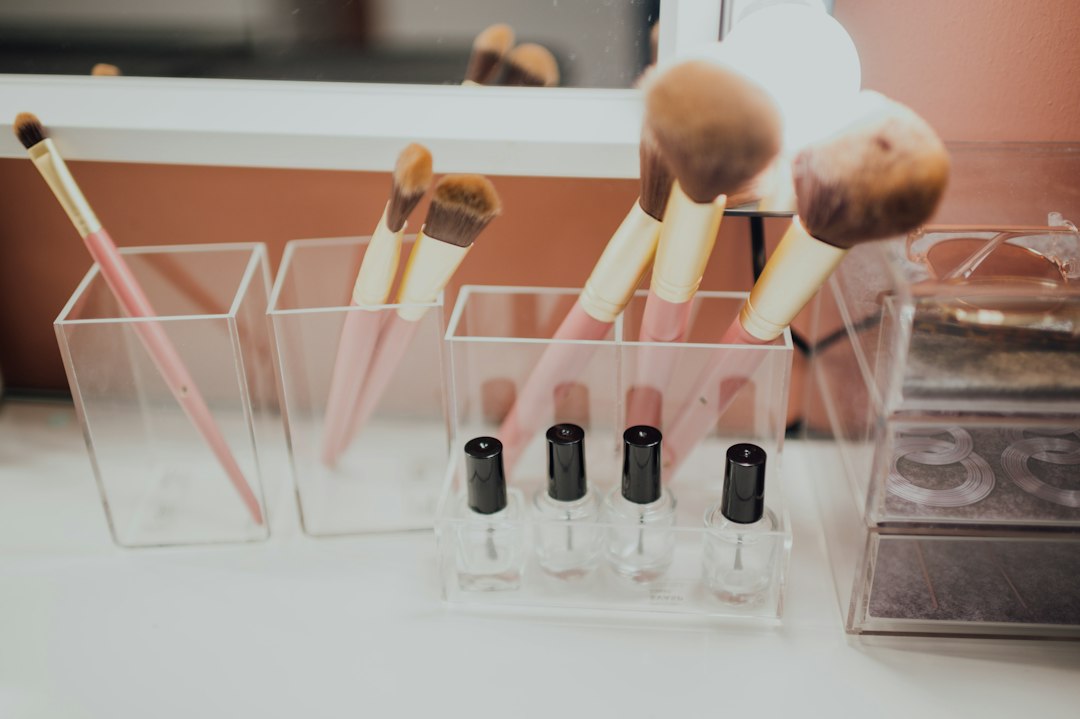
Match storage to form: tall brushes and mascara do best in upright cups; palettes and compacts lie flat in shallow trays; tubes and bottles are stable in narrow compartments. Clear acrylic organizers are ideal when you want visibility, while fabric bins or drawer dividers hide visual clutter. For small items, use magnetic strips or shallow silicone trays to stop them from sliding around.
Designate a daily essentials tray—your morning shortcut
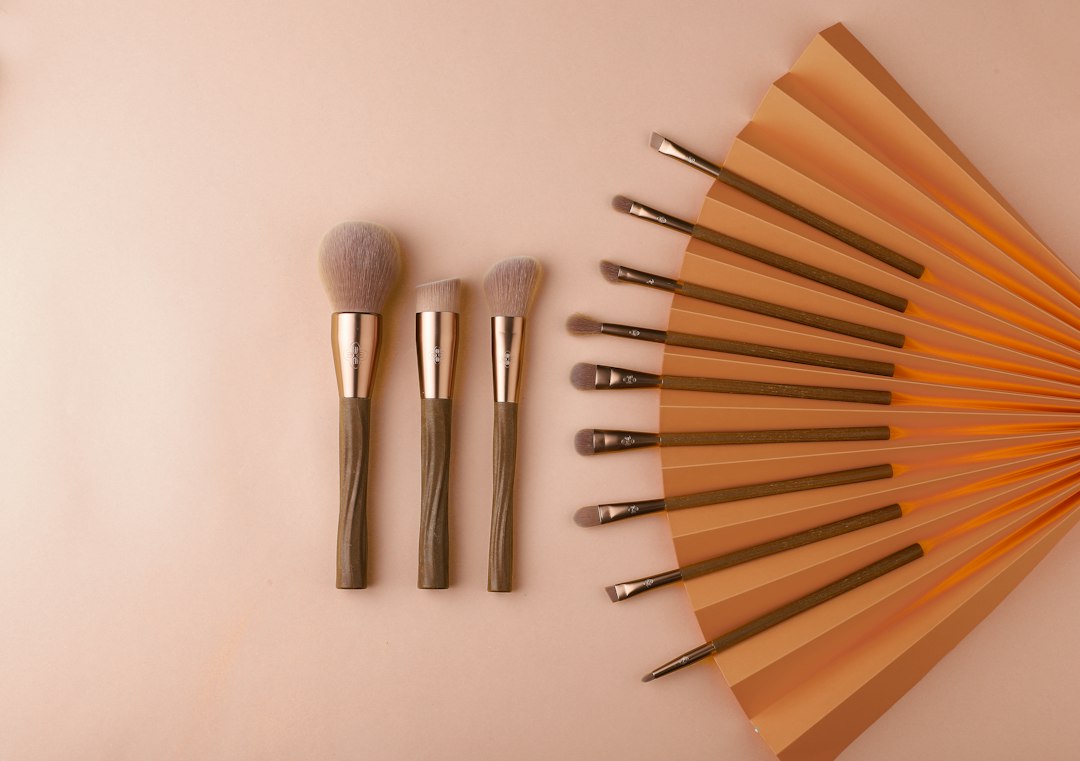
Reserve a small decorative tray on the vanity for the 5–7 items you use every day. Pulling just that tray into your routine saves time and keeps the surface tidy. Choose a tray with low edges so brushes and bottles don’t topple; if you travel often, make the tray-sized kit portable so you can pick it up and go.
Handle brushes and tools with care
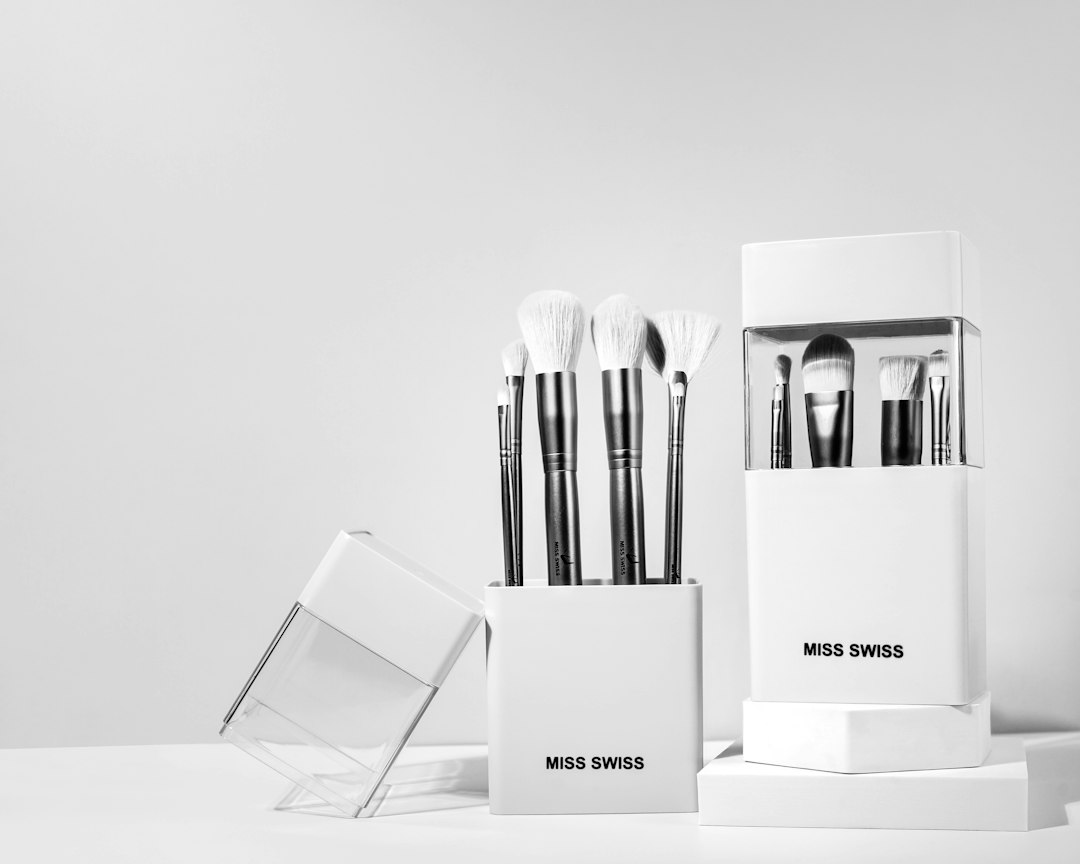
Store brushes upright, bristles up, in a cup or divided holder to preserve shape and keep dust off. For multiple sets, separate face and eye brushes or use labeled compartments. Clean brushes regularly—ideally weekly for foundation tools and every 2–4 weeks for eye brushes—to avoid buildup that takes up space and shortens brush life.
Think vertically when counter space is limited
If your vanity is small, use vertical organizers: tiered trays, wall-mounted shelves, or a compact rotating carousel. A small rotating organizer makes frequently used items accessible without spreading across the counter. Keep heavier bottles on lower tiers to avoid tipping.
Organize drawers so you can see everything at once
Shallow drawers are best for makeup because items lie flat. Use modular dividers or small bins to separate items by use: face, eyes, lips, skincare. Label the compartments—simple labels save time and help others return items to their spot. If lighting is poor inside the drawer, add a stick-on LED strip that turns on when opened.
Rotate skincare and cosmetics to avoid waste
Place newest items behind older ones and note open dates on jars with a small sticker. Keep active or seasonal products (retinol, vitamin C) in a dedicated drawer or section and store less-used serums elsewhere. For products with short lifespans, consider a clear bin labeled “use first” so they don’t get forgotten.
Contain small extras and hygiene supplies
Keep cotton pads, q-tips, hair ties, and spare sponges in small lidded jars or a divided drawer tray. A tiny covered bin on the vanity hides used cotton pads until you can empty it. This keeps small trash from scattering across the surface and makes cleanup quicker.
Choose one smart product to lift your setup
When you need a practical upgrade, a rotating desk organizer can consolidate many small items into a single footprint and make daily products easy to reach. It’s especially helpful on tight vanities where surface area is precious.
Keep maintenance short: a weekly 10-minute tidy
Once your system is in place, maintain it with a short weekly routine: wipe surfaces, return out-of-place items, empty the small trash jar, and restock cottons or blotting papers. Re-evaluate seasonal items every three months. Regular small maintenance prevents a weekend-long overhaul.
- Declutter: remove expired and unused items.
- Create a daily essentials tray for 5–7 items.
- Store brushes upright and clean them regularly.
- Use drawer dividers and label compartments.
- Rotate skincare: newest to back, label open dates.
- Schedule a 10-minute weekly tidy.
Makeup organization is about reducing choices and matching storage to how you use products. A small edit, a logical grouping by routine, and a couple of well-chosen organizers will transform a cluttered vanity into a calm, efficient space.
How often should I clean makeup brushes?
Clean foundation brushes weekly; eye brushes every 2–4 weeks depending on use and product buildup.
What’s the best way to store palettes?
Store palettes flat in shallow drawers or upright in shallow trays so you can see shades; avoid stacking heavy items on top to prevent damage.
How do I know if makeup has expired?
Check the PAO symbol (e.g., 6M, 12M) on packaging and look for changes in smell, texture, or separation; discard if any of these occur.
Can I keep skincare on the vanity?
Keep daily-use, stable items on the vanity; store heat- or light-sensitive products (vitamin C, some retinols) in a drawer or cabinet away from direct light.
How do I organize makeup with limited counter space?
Use vertical storage like tiered trays or a compact rotating organizer, and reserve the counter for only your daily essentials tray.