

What truly matters—and what you can ignore
When you’re working with a small kitchen, the goal is simple: make everyday cooking and cleanup easier without turning the space into a storage museum. Focus on three practical wins—clear work surfaces, accessible cooking tools, and efficient food storage. Ignore “perfectly styled” layouts that sacrifice utility for looks; if it doesn’t make daily routines faster or reduce friction, it’s not worth the counter real estate.
Small kitchen organization: fast wins to free counter and cabinet space
Start with changes that deliver immediate, visible payoff.
- Clear the counters: Move rarely used appliances (ice cream maker, pancake press) to infrequently accessed storage like a hall closet or high shelf. Keep only the espresso maker or toaster you use daily.
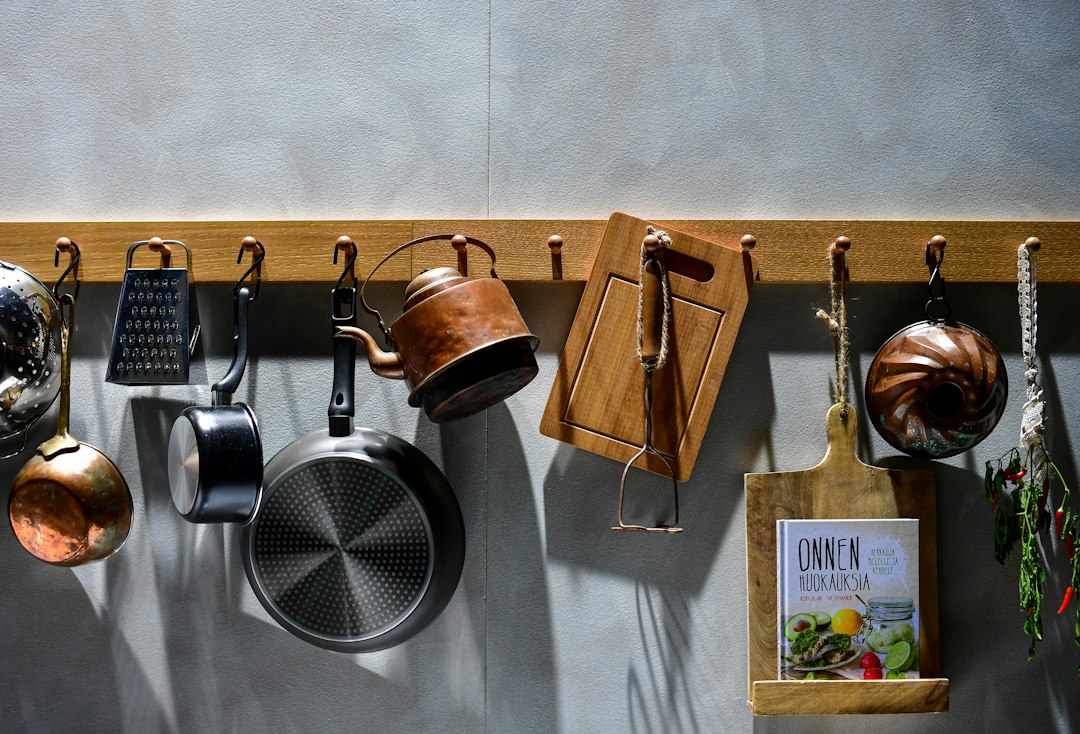
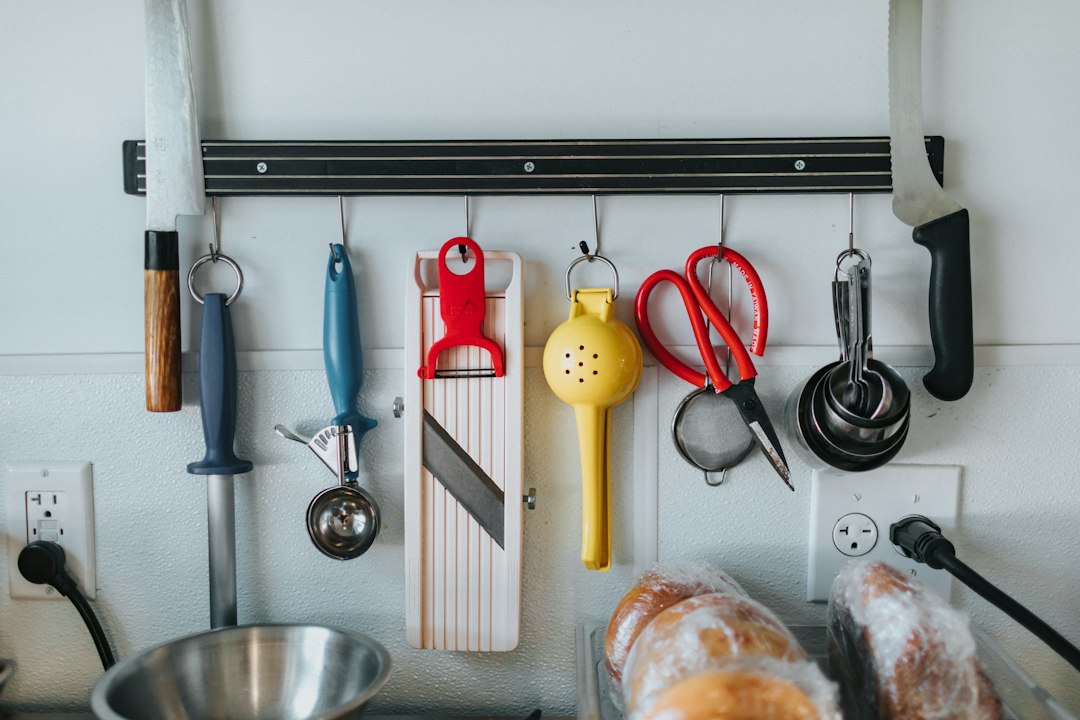
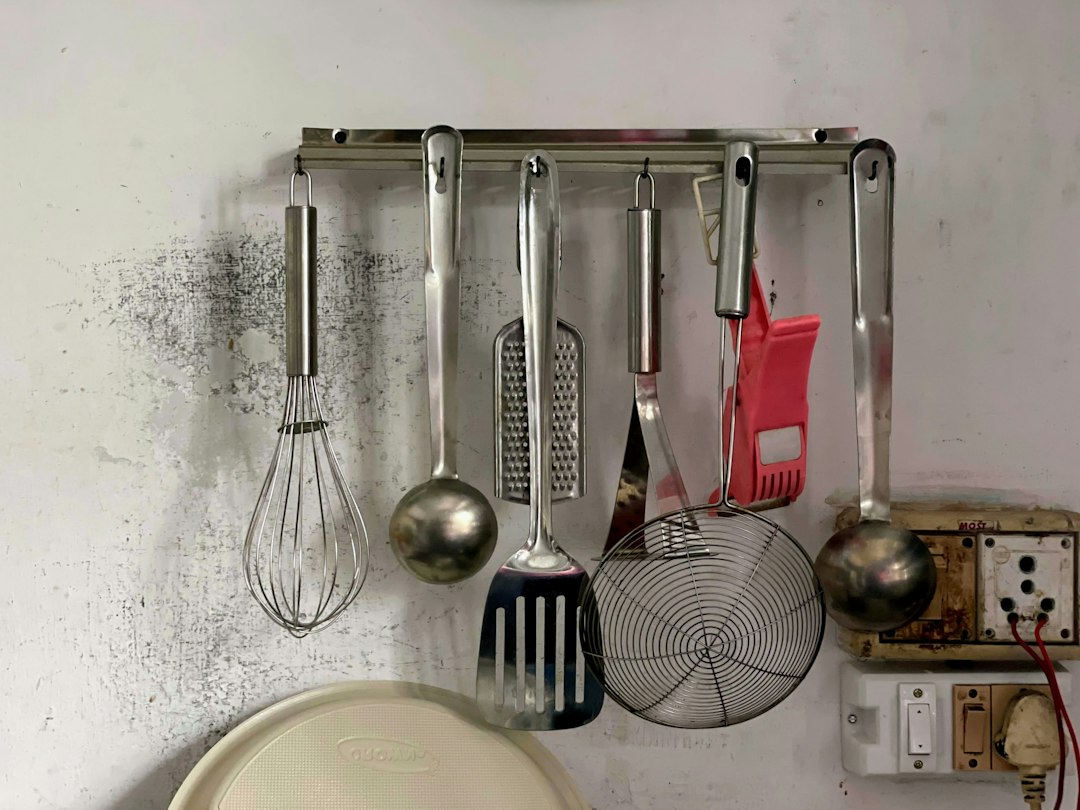
- Adopt vertical wall storage: A magnetic knife strip, wall pegboard, or rail for utensils uses wall space that’s otherwise wasted and frees drawer space for other items.
- Hang pots and pans: If ceiling or wall mounting is possible, a simple rail or small ceiling rack stores cookware without crowding cabinets.
- Install an over-the-sink shelf: This reclaims counter area while providing a drying/drying-and-access point for frequently used items.
Make cabinets work harder: group, elevate, and reclaim deep space
Cabinets often hide chaos. Treat them like vertical real estate you can zone.
- Use shelf risers and small stacking shelves to double usable surface area for plates, mugs, or pantry cans. They’re cheap and avoid constant bending to reach items at the back.
- Mount a pot lid holder inside a cabinet door to keep lids organized and stop the “lid pile” that makes you fish for the right fit. A tension rod across a cabinet also corrals cutting boards and baking sheets.
- Group by task: keep baking items together, breakfast items together, and everyday cooking tools within an arm’s reach of the stove. That reduces cross-kitchen trips and wasted time.
- Clear containers for pantry staples: Transfer flour, sugar, and grains into clear, labeled containers so you can see quantities at a glance and stack them neatly.
Drawer systems and utensil strategies that actually get used
Drawers are valuable in small kitchens—protect and exploit them.
- Use adjustable dividers: Instead of one plastic tray, choose flexible dividers that let you reconfigure a drawer for gadgets, spices, or even foil and storage bags.
- Store by frequency: Place everyday utensils closest to the prep area; specialty tools can live in a separate drawer or a labeled container on a shelf.
- Vertical utensil storage: Narrow vertical bins in a pull-out drawer let you stand spatulas, whisks and spoons upright so you can see and grab them quickly.
Pantry and fridge—small but systematic
Even a slim pantry or the back of lower cabinets can be optimized.
- Lazy Susans for corners: A small turntable solves the “I forgot that jar” problem in corner cabinets or the fridge door shelves.
- Shallow baskets: Use baskets for like items—snacks, baking, sauces—to keep similar things together and make pull-out access simple.
- Label shelf edges: A quick label system for shelves (breakfast, snacks, baking) reduces time rifling through bins and keeps restock shopping lists accurate.
Slim solutions for trash and recycling
Trash and recycling often eat valuable space—choose compact, practical options.
- Pull-out bins under the sink: These keep bins hidden but easy to access, and they free floor space.
- Collapsible countertop bag holder: If you need temporary extra capacity (party, big meal prep), a foldable stand stores easily when not in use.
Product pick: a small fix with high impact
If cabinet lids are a recurring annoyance, a simple mounted organizer solves the problem in minutes.
Small appliance strategy: choose and store with intent
Only keep appliances you reach for weekly on the counter. For everything else:
- Store mid-use appliances on a low shelf or a pull-out where they can be accessed without heavy lifting.
- Consider multi-use appliances (immersion blender that stores in a narrow drawer) over single-use gadgets.
- Use baskets or labeled bins to slide appliances in and out of deeper shelves; the basket lifts the item so you don’t have to reach behind other things.
Daily habits that keep your small kitchen livable
Organization is only as good as the habits that support it. Try these:
- Return items to their “home” the same day you use them.
- Set a 5-minute end-of-day tidy: clear the counters, put away leftovers, and wipe surfaces.
- Periodically declutter: every three months, remove items you haven’t used to free real estate for things you actually need.
- Measure counters, cabinet heights, and drawer depths before buying organizers.
- Identify three daily-use items to keep on the counter and relocate the rest.
- Group pantry and cabinet contents by task, not by product type alone.
- Add one vertical or inside-door organizer this month (hooks, lid rack, or shelf).
- Schedule a 5-minute nightly tidy habit.
Maximizing a small kitchen is about making the few things you use daily easy to reach and reclaiming hidden vertical space. Invest in 2–3 simple organizers and a consistent end-of-day routine; combined, these reduce clutter and make cooking enjoyable again.
Where should I start if my small kitchen feels chaotic?
Start by clearing counters of anything not used daily and grouping cabinet contents by task (breakfast, baking, cooking). Small visible wins make the space feel manageable and guide next purchases.
What’s the best way to store pot lids in small cabinets?
Mount a multi-slot lid holder inside a cabinet door or use a vertical tension rod to stand lids on edge; both save shelf space and make lids easy to find.
Are over-the-sink shelves worth it for tiny kitchens?
Yes—an over-the-sink shelf reclaims counter space for prep while keeping drying or often-used items within reach without adding floor or cabinet bulk.
How do I choose which small appliances to keep out?
Keep only appliances you use several times a week on the counter. Store occasional-use appliances in labeled bins on a low shelf or in a closet for easy retrieval.
Can drawer dividers work for odd-shaped gadgets?
Adjustable dividers and vertical bins handle irregular gadgets better than fixed trays; they let you reconfigure space as your collection changes.