

What you’ll have when this is done
By the end you’ll have a dedicated small home gym: a clear 6–20 sq ft space, a layered exercise plan (strength + cardio + mobility), 2–4 inexpensive tools (mat, resistance bands, one adjustable weight option), simple storage, and a weekly routine you can follow without a gym membership. The focus keyphrase small home gym appears naturally and describes the result you’ll build.
Choose the right corner and measure it
Start practical: pick a corner or closet that gets used least often and measure the floor space. Most effective setups fit into 6–20 square feet — enough for a 6'x2' mat or a 4'x6' rug with room to move. Check ceiling height if you plan overhead moves or a jump rope.
Clear the space of excess furniture and anything that could break if knocked over. A visible dedicated spot reduces resistance to actually using it.
Decide the workout mix and how much you’ll do
Decide what matters: strength, cardio, flexibility, or a bit of each. For many people a balanced, sustainable plan is 2–3 strength sessions and 2 cardio or mobility sessions per week. That choice determines what gear you need.
Buy the high-value, low-cost equipment first
Spend where it moves results. For a small home gym the essentials are:
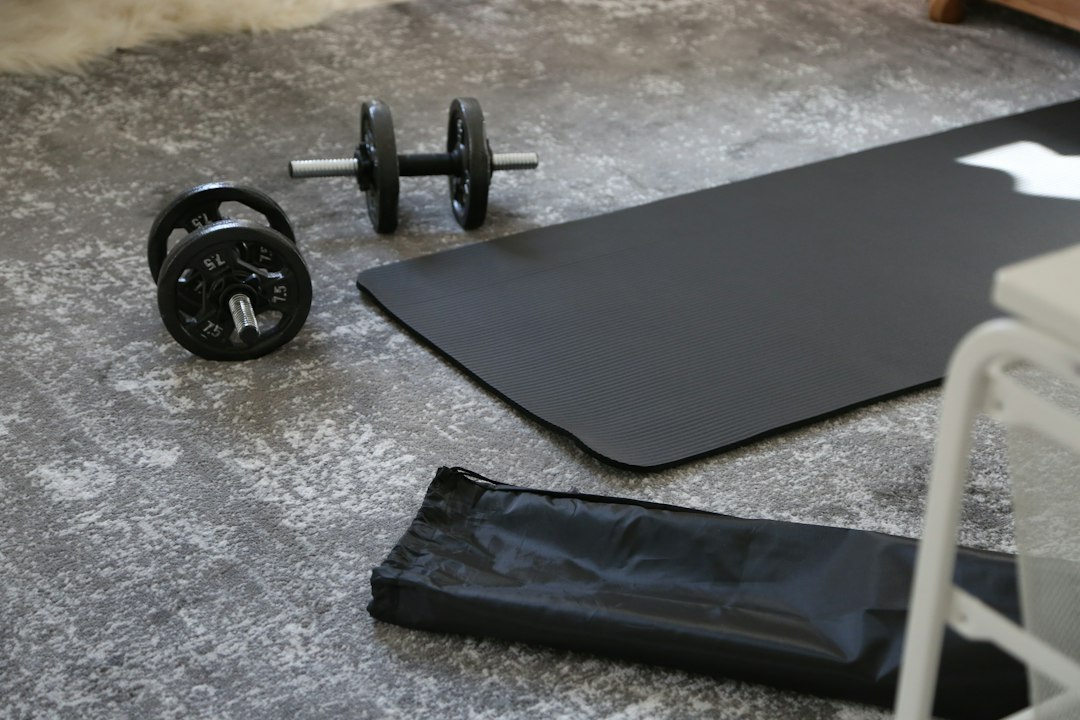
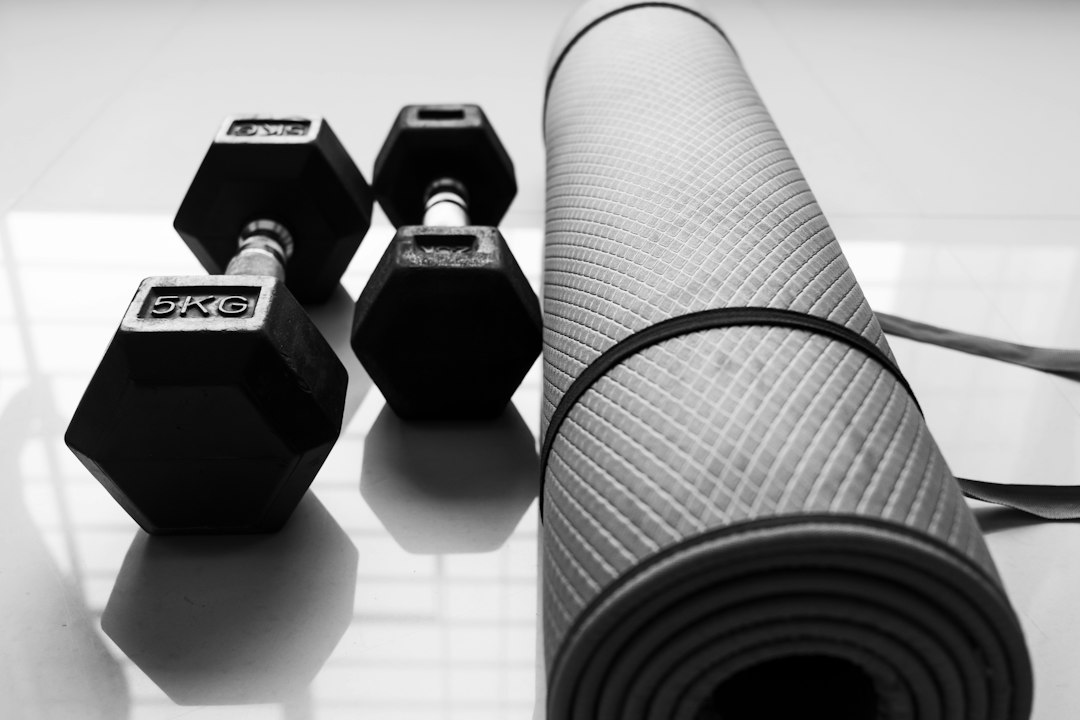
- Exercise mat: protects floor, marks your space, and cushions joints.
- Resistance bands: versatile for rows, presses, squats, and stretching; they replace many machines.
- One adjustable weight or a small set of dumbbells (optional): helpful for progressive overload but not strictly required if you use bands and bodyweight.
- Sturdy chair or bench substitute: used for step-ups, dips, and elevated pushes.
Reserve buying bulky machines. If you want one product recommendation that often fits a tight budget and small space, consider a versatile resistance band set: it supports full-body strength and stores flat.
Layout for safety and efficiency
Arrange the mat in the center of your space. Keep the chair or bench at one edge so you can use it for static moves without moving furniture each session. Store bands on a hook or in a small basket against the wall. Leave a clear path to avoid tripping.
Protect floors beneath equipment with an inexpensive rug or interlocking foam tiles if you’ll be dropping weights or using a kettlebell substitute (like a filled backpack).
Design a simple routine that fits the space
Make workouts short and repeatable. Example 30-minute structure:
- Warm-up (5 minutes): joint circles, march/jog in place, band pull-aparts.
- Strength circuit (3 rounds, 20–25 minutes): 10–15 squats or band squats, 8–12 push variations (incline/decline on chair), 8–12 rows with bands, 10–15 lunges or step-ups, 30–60s plank.
- Cool-down (3–5 minutes): band-assisted hamstring stretch, chest opener, deep breathing.
Progress by adding reps, band tension, or a third round before increasing external weight.
Bodyweight and household alternatives that save money
You don’t need gym gear for many effective moves. Use a backpack loaded with books for weighted squats and carries, water jugs for farmer carries, a towel looped under a door for assisted pulls, and stairs for cardio intervals.
Storage and multi-use tricks to keep the space usable
Smart storage keeps a small home gym from becoming clutter. Use:
- Wall hooks for bands and jump rope.
- A shallow basket for mats and towels.
- A vertical shelf or caddy for small weights, water bottle and a timer.
Fold the mat or roll it and tuck it upright against the wall when not in use to keep the room functional for other purposes.
Troubleshooting common small-space problems
Limited ceiling height
Avoid high-impact jumps; substitute fast step-ups or shadow boxing. Use seated overhead presses instead of standing if space is tight.
Noisy floors or neighbors
Choose low-impact cardio like high-knee marches, stationary bike alternatives (mini stepper), or walk intervals. Add rug padding to reduce noise.
Motivation drops
Make it easy: schedule a recurring calendar block, keep a phone or tablet stand for guided workouts, and vary music or follow short progressive programs so sessions feel purposeful.
- Measure and clear a 6–20 sq ft dedicated spot.
- Buy a mat and resistance bands as the first purchases.
- Plan a 20–30 minute weekly routine you can repeat.
- Create safe storage with hooks or a basket.
- Protect floors with rug or foam tiles if using weights.
- Choose quiet, low-impact options if you have neighbors.
A functional small home gym is more about consistent design choices than expensive machines. Focus on space, a couple of versatile tools, and a short repeatable plan; that combination produces results without large cost or storage needs.
How much space do I really need?
Most effective setups fit within 6–20 square feet; aim for enough room to lie down and extend your arms (about a full mat size) if you plan floor work.
Are resistance bands enough for strength gains?
Yes—bands provide progressive tension and can replace many free-weight movements, especially early on. Increase difficulty with thicker bands or by changing leverage and tempo.
What’s the best inexpensive cardio option for small spaces?
Intervals using stair steps, high-knee marches, jump-rope alternatives (simulated rope), or a mini stepper are compact and effective.
Do I need to buy adjustable dumbbells?
They’re useful for progressive overload but optional. If budget or space is tight, use bands and household items for resistance initially.
How do I keep the area tidy so the room remains usable?
Use vertical storage (hooks, narrow shelves), foldable mats, and designate a small basket for accessories so the area clears quickly between uses.