

You’re lying awake, phone glowing, and the day keeps churning through your head — this is what a better bedtime routine should prevent
The end result: a bedroom and short pre-sleep ritual that reliably lowers alertness, calms your nervous system, and cues sleep. The fastest way to reach that result is to set up a few inexpensive, intuitive accessories and place them where you’ll use them without thinking. Below is a practical, step-by-step plan to create a relaxing bedtime routine using lighting, sound, scent, textiles and simple organization.
Set the mood with warm, dimmable lighting
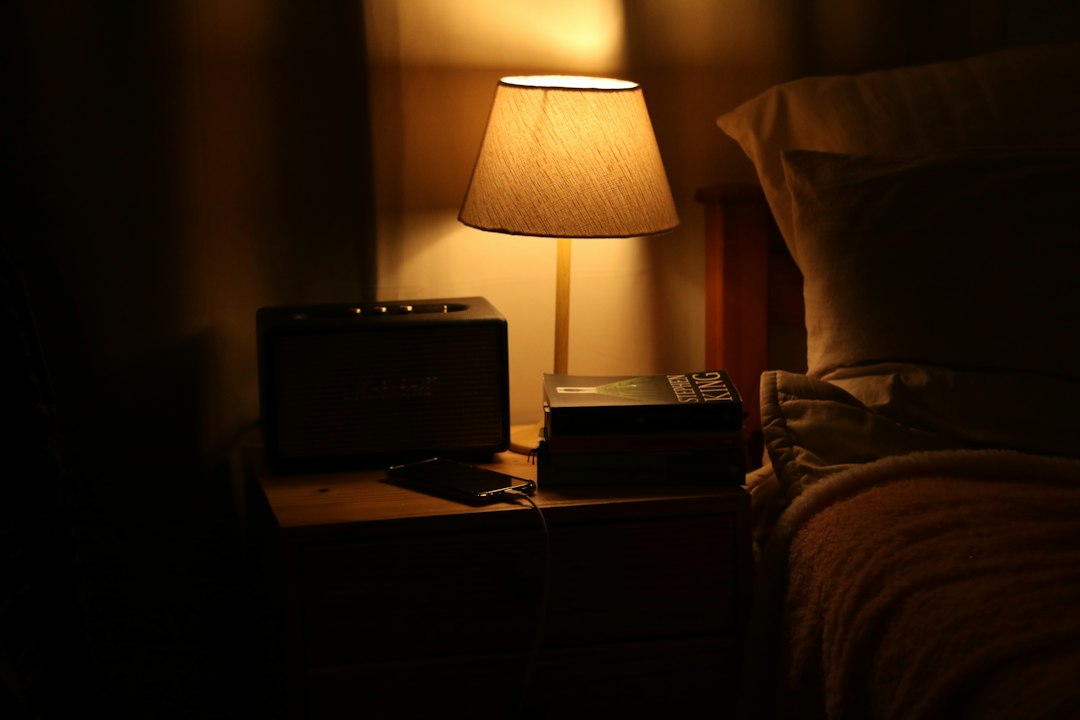
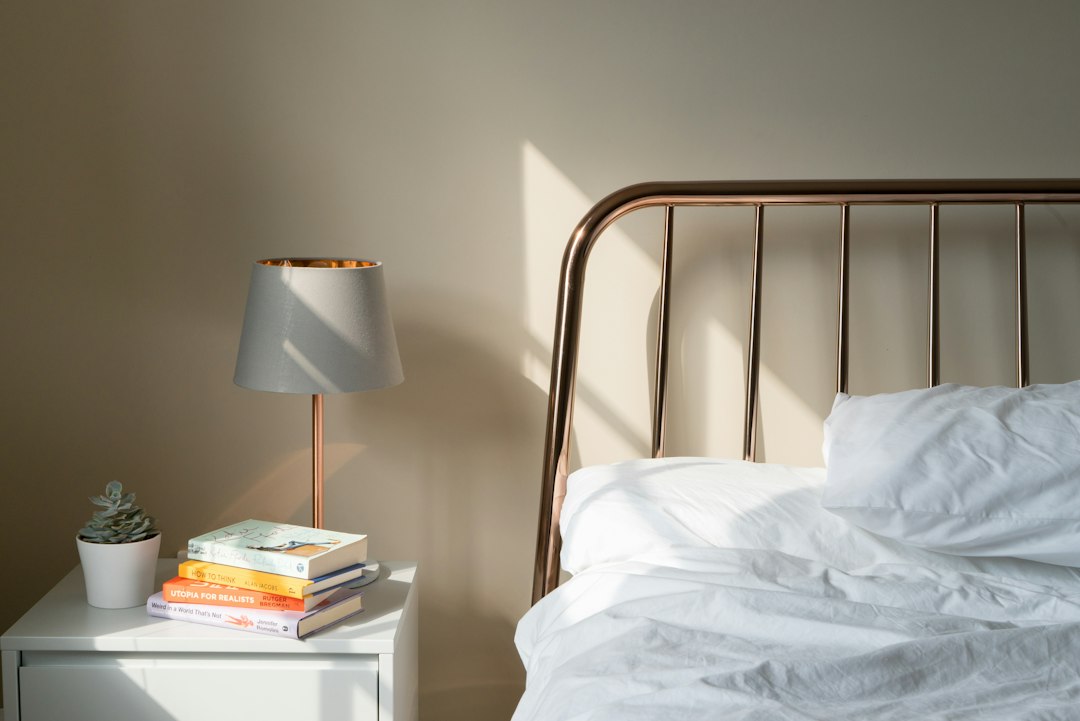
Light is the strongest cue for wakefulness. Swap bright overhead lights for a warm bedside lamp or a dimmable smart bulb you can program to lower brightness 30–60 minutes before bed. Aim for 200 lux or lower near your face and use bulbs labeled “warm” or 2700K–3000K color temperature.
- If you don’t want a smart bulb, add a small lamp with a low-wattage bulb and keep it on a nightstand accessible from bed.
- Use a red or amber bedside bulb for very late-night bathroom trips; these colors suppress melatonin less than blue-white light.
Create a predictable 20–45 minute pre-sleep ritual
Decide on a short sequence you can repeat nightly. Examples that work together: change into pajamas, dim lights, brush teeth, spritz a pillow with calming scent, play gentle sounds, then lie down for breathing or a short reading session. Keep steps limited so they become automatic.
Use sound to mask noise and signal unwind
A steady low-volume sound reduces the brain’s reaction to sudden noises and becomes a bedtime cue. Options:
- White noise or sleep machine with fan/ambient tracks.
- Phone app set to “do not disturb” plus a single playlist of consistent ambient tracks.
- A small fan if you want airflow plus steady sound.
Place the device on your nightstand or a shelf near your head so volume is steady without being loud. Avoid podcasts or shows that keep your attention active.
Pick one calming scent and use it sparingly
Scent works well as a conditioned cue. Lavender, chamomile, or bergamot are popular choices for sleep-supporting routines. Three practical ways to use scent:
- A small linen spray used on pillows (one or two spritzes).
- A reed diffuser placed safely away from bedding for continuous, subtle aroma.
- A low-heat essential oil diffuser for timed sessions—set to run during your ritual only.
Start with a low concentration; too-strong scents can be stimulating or trigger headaches. Stop using any scent that makes breathing difficult or disturbs your partner.
Choose textiles that comfort and cue sleep
Soft, breathable bedding and a tactile object to finish your ritual help the brain register “bed time.” Consider these items:
- A sleep mask to block stray light and strengthen the “bed = dark” association.
- Soft, breathable pillowcases (cotton or bamboo) and a light throw for immediate tactile comfort.
- A weighted blanket if you respond well to deep-pressure touch; try it for several nights to test its effect.
Corral devices and reduce late-night friction
Out of sight, out of mind: keep your phone on a charger across the room or in a small basket to reduce temptation. Use a simple dock or small tray on your nightstand for glasses, water, and any pills so your sleep environment stays uncluttered.
Product suggestion: one accessory that helps most people
If you want a single item that supports multiple parts of the routine (sound + hands-off control), a compact white noise machine is a good first buy: it creates steady sound, often has timer settings, and sits on the nightstand near your lamp and phone. Place it where it’s out of reach but audible.
Troubleshooting and simple adaptations
Not feeling sleepy after 30 minutes? Check these quick fixes:
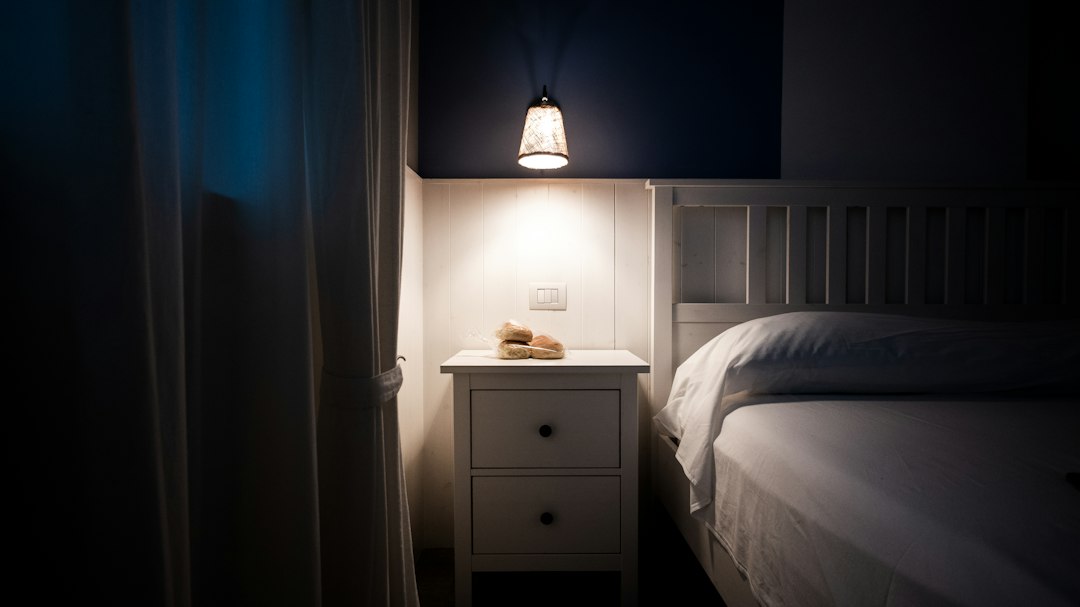
- Too bright: reduce bedside lamp further or switch to an amber bulb.
- Mind racing: add a 5–10 minute breathing exercise (4-4-8) before lights-out.
- Partner disruption: use sleep earbuds or a fan to mask movement, and keep scent mild or diffused away from their side of the bed.
- Heat or cold: adjust bedding layers rather than room thermostat—breathable sheets and a light throw are easier to change mid-routine.
When to change the routine
Keep the ritual consistent for at least two weeks before judging its effectiveness. If you still struggle, experiment one element at a time—change lighting for a week, then swap sound—so you can identify what helps.
- Replace bright overhead light with warm bedside lamp or dimmable bulb
- Choose one calming scent and place it safely near pillows
- Add a steady ambient sound source on the nightstand
- Create a 20–45 minute, repeatable pre-sleep sequence
- Store phone out of reach and keep nightstand clutter-free
- Test a weighted blanket or sleep mask for tactile comfort
Small, consistent changes win: pick a few well-placed accessories and a short ritual you can repeat nightly. The combination of dim light, steady sound, mild scent and comfortable textiles turns your bedroom into a predictable cue for sleep.
How long before bed should I start the routine?
Begin 20–45 minutes before your intended lights-out time—the shorter end if you want minimal bedtime steps, longer if you include reading or a light skincare routine.
Can a scent actually help me fall asleep?
Yes, when used consistently a subtle scent like lavender can become a conditioned cue that signals relaxation, but its effect varies by person and should be mild.
Are weighted blankets suitable for everyone?
Weighted blankets can help with anxiety and sleep for many adults, but avoid them if you have respiratory issues, claustrophobia, or mobility problems; consult a professional if unsure.
What if my partner has different sleep preferences?
Compromise by splitting sensory changes: use individual bedding layers, run sound machines on a lower volume, or use scent only on your pillow; placement and subtlety usually solve most conflicts.