

What matters—and what you can ignore when choosing everyday fashion accessories
Everyday fashion accessories should do two things: look appropriate for your life and actually solve a daily friction point (pockets, carrying, warmth, visibility). Ignore trends that exist only to be noticed; prioritize pieces that save time, reduce clutter or increase comfort without shouting for attention. The best everyday fashion accessories are quiet helpers—versatile, durable and simple to integrate with multiple outfits.
Core categories that deliver both style and function
Start by thinking in categories rather than individual items. Each category below answers a basic daily need and offers clear trade-offs so you can pick what fits your routine.
Bags: make carry effortless
Need: organize essentials and free your hands.
- Crossbody bag: great for commuting and travel; look for one with an easy-access external pocket for phone or transit card.
- Tote with internal divider: ideal for shopping or work—choose water-resistant fabric if you bike or commute.
- Belt bag (waist or worn across the chest): extremely hands-free and secure; select a low-profile shape for a cleaner look.
Watches and wearables: timekeepers that do more
Need: time, notifications, and sometimes fitness tracking without bulky tech.
- Classic analog with durable strap: timeless and refined; choose sapphire or mineral glass for daily wear.
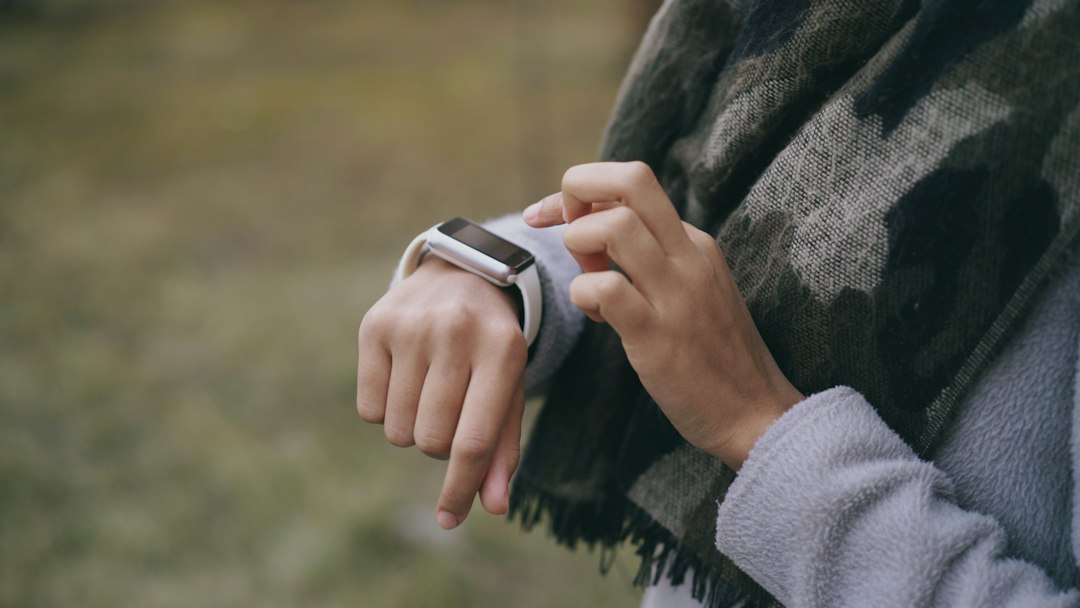
- Hybrid smartwatches: keep a traditional face but add discreet alerts and activity tracking—good for those who want function with less screen time.
- Full smartwatch: best if you rely on hands-free payments, health tracking or quick replies; opt for a style with interchangeable bands to match outfits.
Phone cases and small organizers: declutter your pockets
Need: carry fewer items and find them fast.
Choose a phone case with a slim card slot if you rarely carry a wallet. If you prefer separation, a small zip pouch or a key pouch clipped inside your bag keeps earbuds, keys and transit cards from tangling. Look for RFID-blocking if you frequently use contactless payment cards.
Jewelry and small wearables: subtle utility
Need: personal style plus minimal function.
Minimalist chains and studs are versatile—pick mixed-metal pieces to match both silver and gold hardware on bags or watches. Consider a simple locket or bracelet that conceals a tiny emergency contact tag if you exercise solo.
Scarves, hats and face coverings: warmth with pockets
Need: comfort and small-item storage.
Lightweight scarves with a hidden pocket are surprisingly useful for holding cash or a transit card while traveling. For colder months, a knit hat with an inner pocket for a key or folded card keeps essentials close without bulk.
How to choose—quick decision framework
Ask three quick questions when evaluating an accessory:

- What daily problem does this solve? (Carry, warmth, organization, visibility)
- Will I use it in at least two different outfits or settings?
- Is it durable enough for daily wear or easy to replace if lost?
If the answer is yes to all three, it’s worth buying. If not, save the money or look for a higher-utility alternative.
Material, maintenance and color choices that matter
Materials influence lifespan and how “dressy” an accessory looks. Leather (or high-quality vegan alternatives) ages well and suits work wardrobes; nylon and coated canvas are lighter and often better for commuting or wet weather. For colors, pick neutral hardware and 2–3 base palette items—one statement piece can change the vibe, but limit bold colors to avoid outfit clashes.
One practical product pick
If you want a quick upgrade that fits most readers’ needs—hands-free carry, protection, and everyday charm—consider a compact crossbody with an external phone pocket and a neutral leather or coated-canvas finish. It’s the type of piece that reduces daily friction (no digging for your phone) while fitting work, errands and travel.
When to spend more — and when to save
Invest in higher-quality for items you touch or wear every day: a watch, a go-to bag, or a phone case you handle constantly. Save on trend-driven novelty items or duplicates—prefer one well-made tote over three cheap ones. Repairs (replacing a strap, resoling, re-stitching) often extend the useful life of higher-quality pieces and are usually worth the cost.
Simple styling rules for everyday cohesion
- Match metals loosely—not everything needs to be the same; aim for one dominant metal (e.g., warm gold) and one accent.
- Scale matters: pair larger bags with streamlined jewelry; balance heavy footwear with lighter accessories above the waist.
- Layer with purpose: a scarf, watch and thin necklace can complete a look without cluttering it.
Practical ways to test before you buy
Try the following: wear a candidate accessory for one full day (or a commute) to see if it creates friction; check pocket access while standing and sitting; and try pairing it with three different outfits in your closet. These quick tests reveal many durability and usability issues before you commit.

- Does it solve a daily friction point (carry, warmth, organization)?
- Can it be used with at least two outfit styles or settings?
- Is the material appropriate for my climate and commute?
- Can I maintain or repair it affordably?
- Is its color and hardware compatible with my core wardrobe?
Choose everyday fashion accessories that quietly solve problems: free your hands, simplify pockets, and add comfort without requiring outfit rewrites. Spend on pieces you use daily, test them in real situations, and keep your collection small but versatile.
What’s the most versatile bag style for everyday use?
A low-profile crossbody or a structured tote with internal organization tends to be the most versatile for commuting, errands and casual evenings.
Are smartwatches worth it for everyday wear?
If you value quick notifications, activity tracking or contactless payments, a smartwatch or hybrid delivers practical benefits; otherwise a classic watch is often more durable and timeless.
How do I keep accessories from clashing with my outfits?
Limit yourself to one statement accessory, choose neutral base colors, and keep one dominant metal for hardware to maintain cohesion.
Can small accessories like keychains be functional?
Yes—keychains with compact tools, lights or clips can solve small daily problems and are easily swappable between bags or keys.