

Most shoppers miss one detail that changes everything
People often focus on brand or barrel size and overlook matching tool materials and heat control to their hair. Choosing the best hair styling tools starts with the single fact: what your hair can tolerate (texture, thickness, porosity) and what you want to do with it (dry, smooth, curl, preserve pattern). Read this first, and the rest—shape, size, finish—becomes practical instead of confusing.
What actually matters before you pick a tool
Forget packaging claims. Before buying, assess these hair characteristics and styling needs:
- Texture: Fine, medium, coarse—finer hair needs lower heat and gentler tools; coarse hair often needs higher heat and sturdier plates or motors.
- Density: Thick hair benefits from higher wattage dryers and wider brushes; thin hair gets weighed down by heavy tools and large barrels.
- Natural pattern: Straight, wavy, curly, coily—tools that stretch (brushes, diffusers) or shape (irons, curling wands) should respect the pattern you want to keep or change.
- Porosity and damage: Porous or chemically treated hair loses moisture and burns easier—use lower temps, ceramic/tourmaline finishes and heat protectant.
- Daily routine and time: If you style every day, durability and consistent temperature control matter; for occasional styling, lighter, simpler tools can suffice.
How to match tool type and features to common needs
Below are common use cases and the features you should prioritize for each.
Quick, healthy daily drying and smoothing
Need: Fast drying and a sleek finish without frying fragile strands.
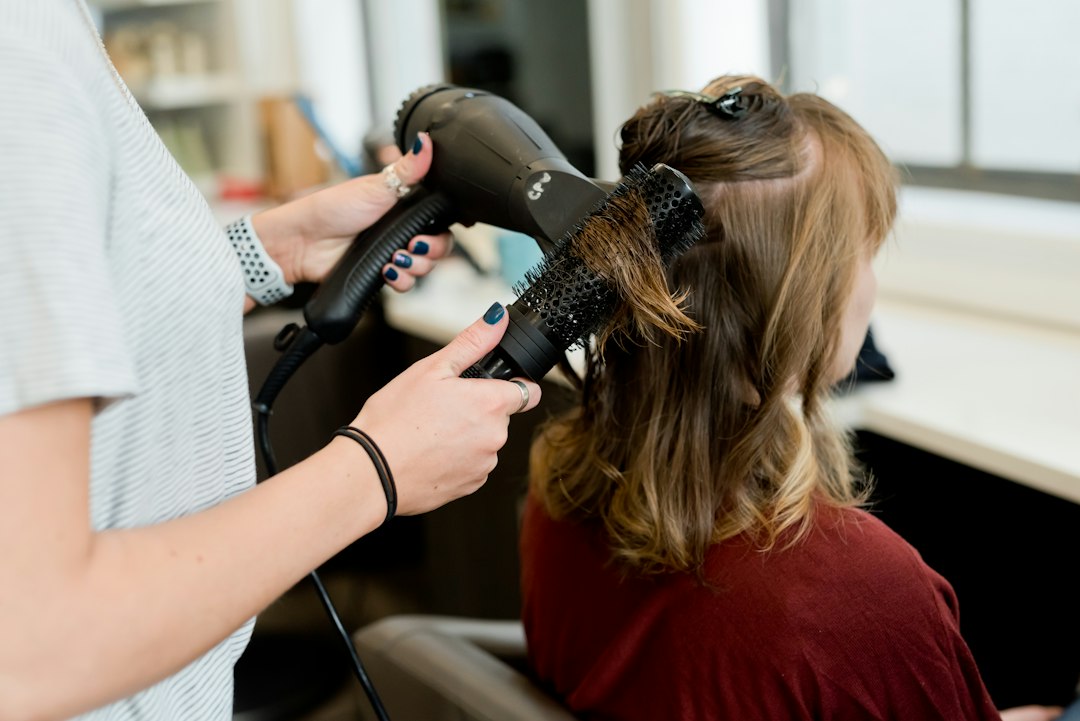
- Choose a mid- to high-wattage blow dryer (1,800–2,200W) if you have thick hair; 1,200–1,800W works for fine to medium hair.
- Prefer ceramic or tourmaline elements for even heat and reduced frizz; ionic tech helps smooth and speed drying.
- Look for multiple heat/settings and a cool-shot button to lock style. A narrow concentrator nozzle improves smoothing control.
Creating long-lasting curls or waves
Need: Defined curls that suit your hair’s diameter and hold level.
- Barrel size: small (1/2–1 inch) for tight curls, medium (1–1.25 inch) for classic waves, large (1.5–2 inch) for loose waves.
- Ceramic barrels heat evenly and are safer for fragile hair; titanium heats faster and holds high temps—better for coarse, resistant hair.
- Adjustable temperature is crucial: start low for fine hair (~260–300°F/130–150°C), medium for normal hair, higher for coarse (~350–400°F/175–205°C).
Stretching or straightening textured hair with less heat
Need: Straight looks that don’t sacrifice moisture or create frizz.
- Wide, long flat irons are faster on thick hair; narrower ones give precision for short layers.
- Ceramic plates distribute heat gently; floating plates and consistent pressure reduce snagging.
- Use steam or infrared options only if your hair tolerates slightly higher continuous heat; otherwise keep temps moderate and do multiple light passes rather than one high-heat pass.
Detangling and styling curly/coily hair
Need: Preserve curl definition and prevent breakage while styling.
- Use wide-tooth combs and detangling brushes on wet hair with conditioner to minimize breakage.
- For drying, a diffuser on a low-to-medium heat setting reduces frizz and keeps curl shape.
- For heat-free volume or stretch, self-adhesive rollers are a low-heat option that shapes hair without high temperatures—good for fragile or chemically treated curls.
Materials and temperature: what to favor by hair type
Material and heat range are more important than aesthetics.
- Fine or damaged hair: Ceramic/tourmaline, lower temps (250–300°F). Ionic tech helps reduce drying time and frizz.
- Normal to slightly coarse hair: Ceramic or mixed ceramic-titanium; medium temps (300–350°F).
- Very coarse or color-treated resistant hair: Titanium or high-grade plates with strong motors; higher temps (350–400°F) but use heat protectant.
Tool ergonomics, reliability and maintenance
Don’t buy the prettiest handle—buy the one you’ll use. Check weight, cord length and button placement. For longevity:
- Clean lint from dryer intakes monthly and wipe plates after use.
- Replace worn brushes and rollers—hooks and rough edges break hair.
- Look for temperature displays or thermostats; an honest temp readout beats vague “low/medium/high” settings.
Two practical product recommendations from the store
If you want an at-home, low-heat shaping option for curls and volume—especially for delicate or processed hair—self-adhesive rollers are a low-risk, effective choice. For general grooming and small precision tasks, a compact eyebrow/nail scissor tool is handy to keep stray hairs tidy without heat.
Putting it together: a simple decision flow
- Identify your hair’s texture and whether it’s damaged.
- Decide your primary goal: dry & smooth, curl, straighten, or preserve natural pattern.
- Pick material and heat range that fits your hair (see Material and Temperature section).
- Check ergonomics and maintenance needs—lighter for daily use, more durable for occasional heavy styling.
- Buy one versatile tool first (a good ceramic dryer or medium barrel ceramic wand), then add specialized items as needed.
Quick maintenance habits that protect your investment
- Always use a heat protectant spray before hot tools.
- Use the lowest effective temperature and several short passes rather than one hot pass.
- Store tools dry, clean vents and plates, and replace frayed cords or damaged brushes promptly.
- Have you identified hair texture, density and damage level?
- Does the tool offer adjustable temperature and a cool shot or display?
- Is the material appropriate (ceramic/tourmaline vs titanium) for your hair?
- Will the weight, cord length and attachments fit your routine?
- Can you commit to basic maintenance (cleaning vents/plates)?
Choose tools that respect your hair’s limits: lower heat and ceramic for fine or fragile hair, more robust materials and power for thick or resistant hair. Prioritize adjustable temperature, sensible attachments for your goal, and simple maintenance to keep hair healthy.
How do I know which temperature setting to use?
Start low and increase gradually; fine or damaged hair needs under ~300°F (150°C), medium hair around 300–350°F, and coarse hair may require up to ~400°F—always use a heat protectant.
Are ceramic tools always better than titanium?
Ceramic distributes heat more gently and reduces hotspots—good for most hair. Titanium heats faster and stays hotter, which helps on coarse hair but risks damage on fine hair.
Can I get salon results with cheaper tools?
Yes, if the tool has accurate heat control, the right material, and you use correct technique and products; high-end tools make it easier but aren’t strictly necessary.
Are self-adhesive rollers good for damaged hair?
Yes—rollers shape hair with minimal heat and tension, making them a useful option for fragile or chemically treated hair.
How often should I clean or replace styling brushes?
Clean brushes monthly and replace them if bristles break or the base cracks—damaged brushes can snag and split hair.