

Start with the goal: what matters (and what you can ignore)
If your objective is to fit more into a carry-on, find things quickly, and keep fragile items protected, focus on three practical outcomes: compressing bulk sensibly, separating categories (clothes/toiletries/tech), and choosing organizers that match your suitcase size. You can safely ignore marketing claims about “magic” 50% space savings—real gains come from methodical packing, not miracle products.
How to pack smarter using space-saving travel organizers
Below is a straightforward sequence that produces the usual travel outcomes—more space, less crease, and easier security checks—using space-saving travel organizers at each stage.
1. Audit items, pick the right organizers
Start by laying out everything you plan to bring and grouping by function: tops, bottoms, underwear, shoes, outerwear, toiletries, electronics, and accessories. Match groups to organizers:
- Packing cubes for everyday clothes (size them to your suitcase compartments).
- Compression bags for bulky items (down jacket, sweaters).
- Toiletry/toiletry dopp kit with a clear zip top for liquids under 100 ml.
- Electronics/cable organizer for chargers, power bank, and earbuds.
- Shoe bags or thin cloth sacks to prevent dirt transfer.
Rule of thumb: choose durable, lightweight organizers with breathable panels where you’ll store damp or odorous items.
2. Pack by structure: foundation first, fragile last
Place heavier, less-crushable items at the base of your suitcase (near the wheels). That usually means shoes (in shoe bags), toiletry kit if rigid, and electronics in their organizer. Lay packing cubes of folded or rolled clothes on top. Compression bags go where you need to free up most volume—typically next to or above the shoes or along a flat side wall.
3. Folding and rolling: match technique to fabric
Roll knit and casual shirts—rolling increases usable space and reduces edge creases inside cubes. Fold structured items (dress shirts, blazers) and place them on top where they won’t be compressed; use a garment folder if you must transport multiple dress shirts. For delicate fabrics, layer with tissue or use a dedicated “dress” packing cube with internal divider.
4. Use packing cubes to create zones
Packing cubes do more than save space: they create visual zones. Assign one cube for outfits, one for underwear/socks, one for sleep/loungewear. When you arrive, pull out the cube with outfits for the next day rather than emptying the whole bag. This reduces re-packing and keeps clothes cleaner.
5. Apply compression wisely
Compression bags are best for bulky, compressible items such as down jackets and sweaters. Don’t use full vacuum-style compression for items you’ll wear immediately on arrival (it can crush insulation and increase wrinkles). If you have a 7–10 day trip, compress only non-fragile bulk and leave at least one cube of unpacked clothes for daily access.
6. Organize toiletries to pass security and avoid spills
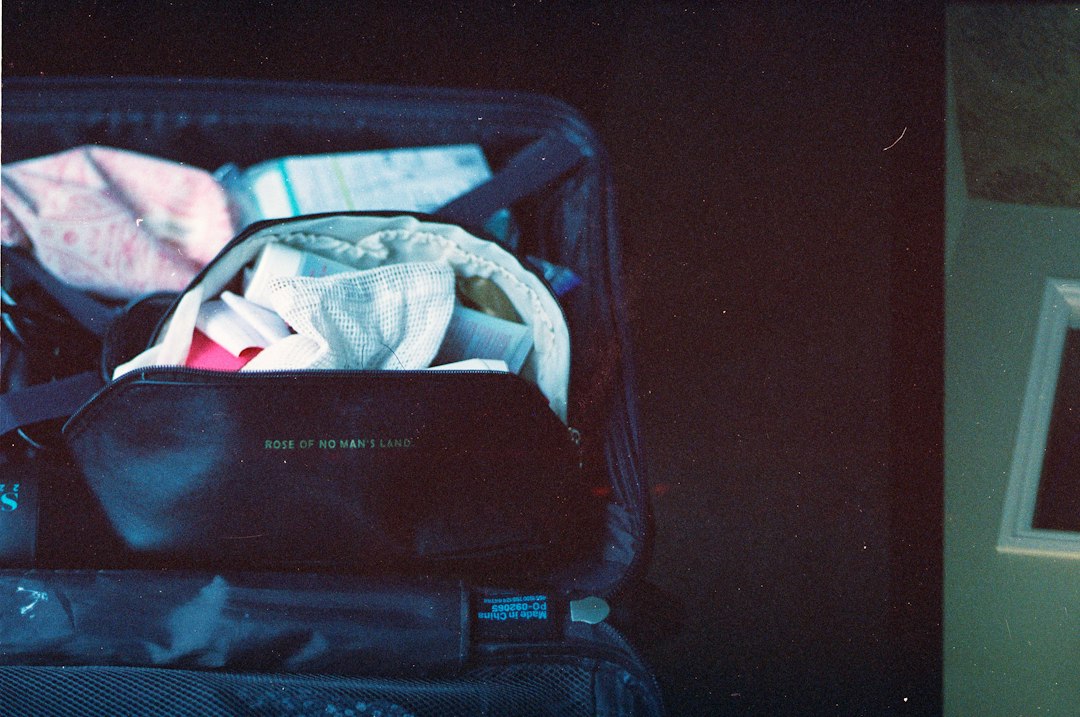
Use a clear toiletry bag for liquids and place that at the top of your bag or in an exterior pocket for easy removal at security. Use travel-sized refillable bottles and secure lids with tape or inner snap seals. For fragile glass items, wrap in microfiber or tuck between rolled clothes to cushion.
7. Tame cables and small electronics
An electronics organizer reduces lost chargers and prevents tangled cords from snagging fabric. Coil cables using figure-eight or Velcro straps, place power bank in a padded pocket, and keep earbuds in a small zip compartment. Store adapters and SIM tools in a slim pouch to avoid scratching devices.
8. Shoes, laundry, and dirty items
Store shoes in a flat position at the bottom or around the frame to protect clothes from sole dirt. Bring a lightweight laundry bag for worn items; compressable mesh bags allow airflow to reduce odor. Leave one small mesh pouch for wet swimwear if you’ll be moving frequently.
9. Carry-on strategy: pack essentials and a “grab” cube
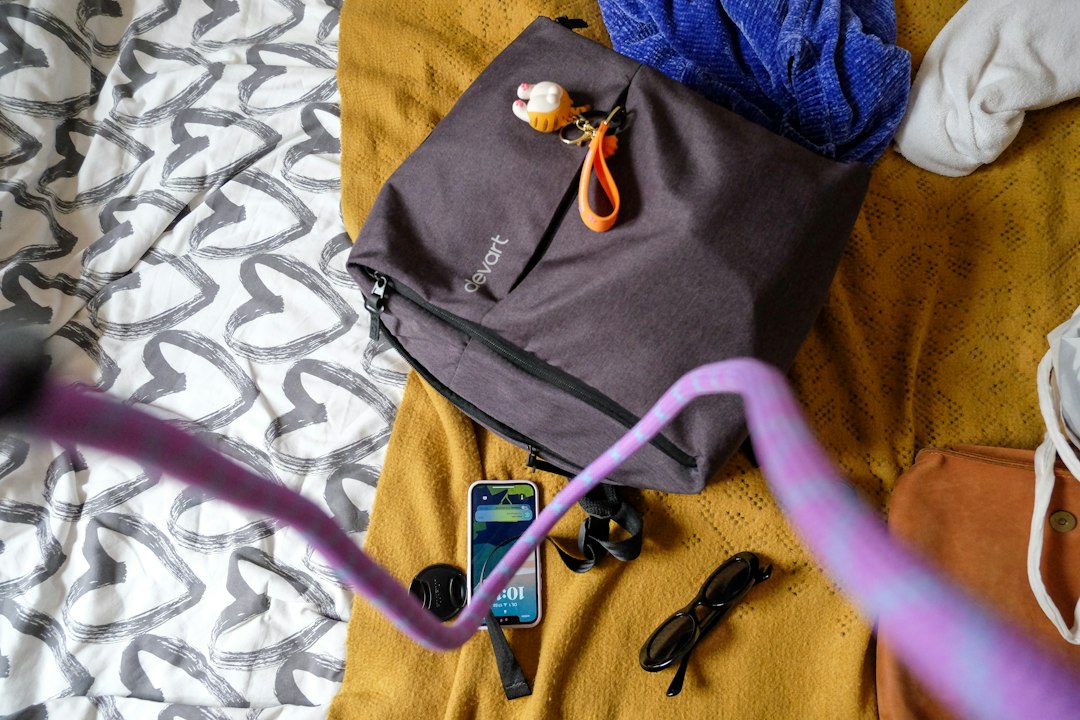
For carry-on, put a small “grab” packing cube with a change of clothes, essential toiletries, medications, and chargers near the top. Keep travel documents and a slim pouch for passport and boarding pass in an easy-access exterior pocket. If your bag will be gate-checked, put valuables and essentials in a separate small bag you can carry on your person.
Why this product fits: a compact electronic accessories organizer is the easiest way to keep cables, power banks, and small adapters sorted and protected during transit.
Troubleshooting and adaptations
Overpacked suitcase still bulging? Remove the bulkiest single item and decide: wear it on the plane or ship it. If wrinkles appear, hang clothing in the bathroom while you shower—the steam relaxes fibers. For unexpected gifts or shopping, reserve one compression bag or leave an empty cube that can fold flat when not used.
- Lay out and group items before choosing organizers.
- Select 2–3 packing cubes sized to your bag’s compartments.
- Reserve one compression bag for bulky outerwear only.
- Use a clear toiletry bag for liquids and a padded electronics organizer.
- Pack shoes in separate bags and keep a grab cube for carry-on essentials.
Space-saving travel organizers work best when matched to what you actually bring and packed in a consistent order: heavy and structured items first, cubes for daily outfits, compression for bulk, and protected pockets for tech and toiletries. One or two well-chosen organizers beat a collection of mismatched pouches.
Do packing cubes actually save space?
Packing cubes don’t magically create space but make vertical and compartment packing more efficient and prevent dead space; combined with rolling and selective compression they yield measurable gains.
When should I use a compression bag versus a packing cube?
Use compression bags for bulky, soft items like down jackets and sweaters; use packing cubes for everyday clothing organization and quick access.
How do I prevent spills inside my suitcase?
Cap bottles securely, pack them in leakproof travel bottles, double-bag liquids in zip pouches, and place toiletries in a lined toiletry bag between rolled clothes for extra cushioning.
Can I check a bag with compression-packed items?
Yes, but avoid long-term heavy compression of insulated garments; re-fluff down items after arrival to restore loft and warmth.