

Most cars don't get messy overnight — clutter accumulates in predictable places: cup holders, the floor under the passenger seat, and the back of the seats. Using targeted storage and a few small routines lets you stop that buildup before it becomes a weekend project.
Quick wins that prevent daily clutter
- Designate a trash spot. A small, lidded car trash bin or a heavy-duty resealable bag clipped to a cup holder limits loose wrappers and tissues. Empty it every other day or when you refuel.
- Keep a single day-bag for essentials. Instead of scattering bags and jackets, use one tote or backpack kept in the trunk or a consistent seat; put it there as soon as you arrive home.
- Corral loose change and small items. A felt tray or small divider in the center console prevents coins, receipts and chargers from disappearing into gaps.
Make use of vertical and hidden spaces
Vehicles have more usable space than people realize. Seatback organizers and trunk dividers turn vertical surfaces into purposeful storage.
- Install a hanging seatback organizer for frequently used items—water bottles, a phone charger, snacks, and a small first-aid kit. Pick a candidate with zipper pockets to keep things from falling out during turns.
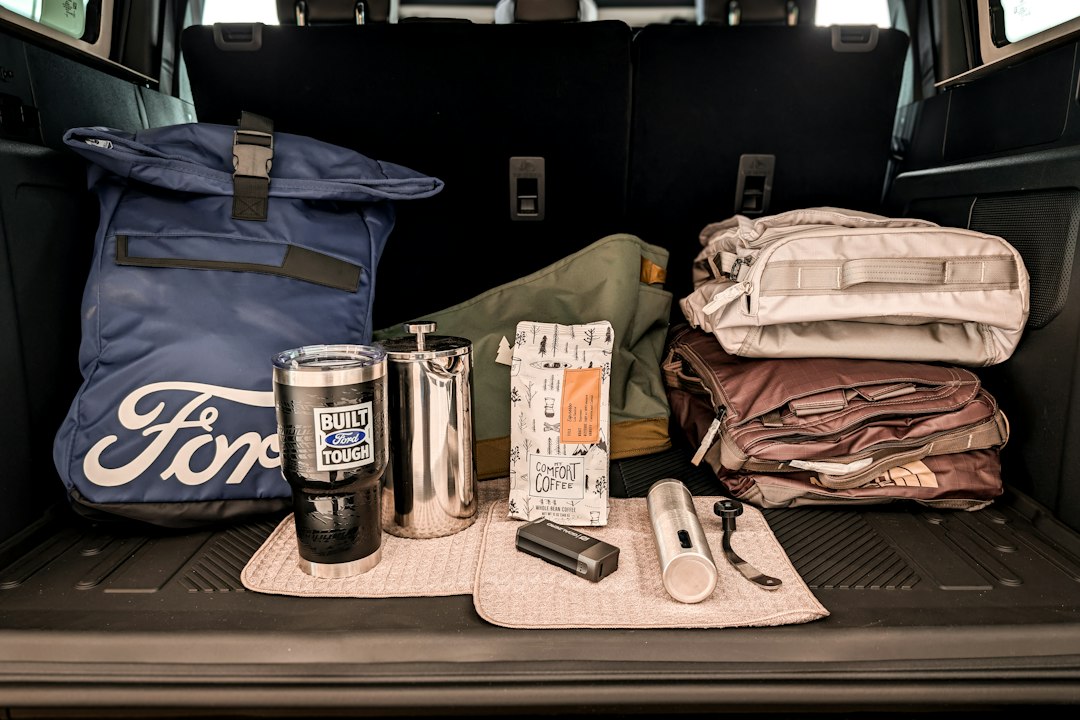
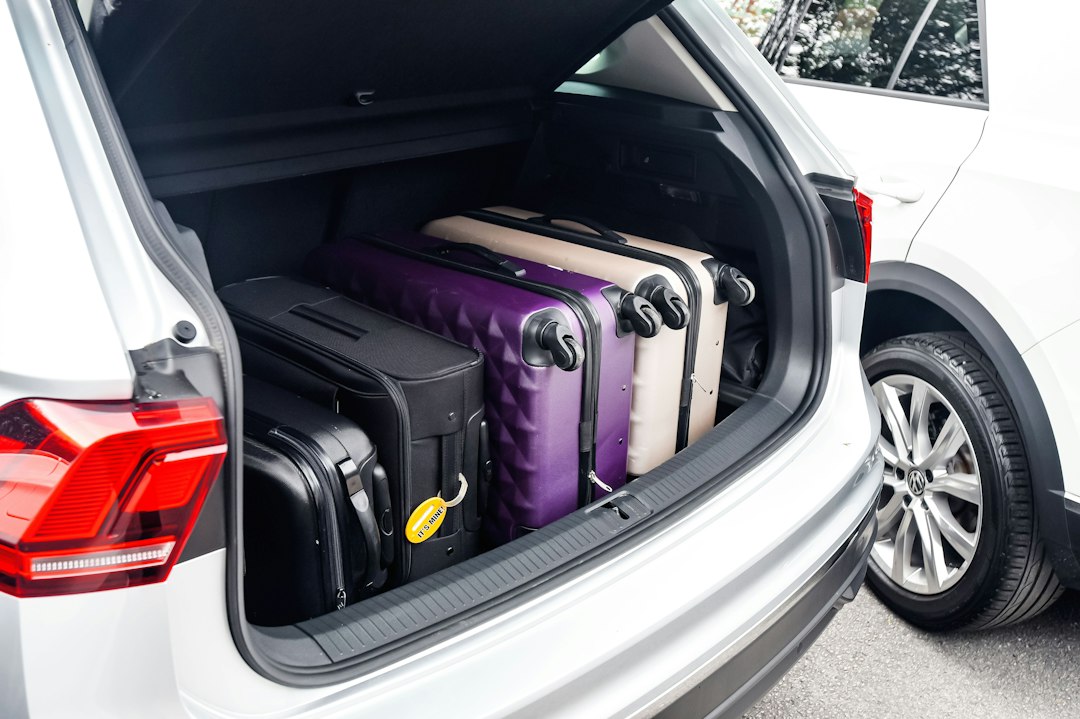
- Use a collapsible trunk organizer or soft-sided bins to separate groceries, tools, and emergency gear. When not in use, they fold flat so you don’t lose trunk flexibility.
- Under-seat boxes work well for winter supplies (ice scraper, small blanket) or sports gear. Label them so you can grab what you need without rummaging.
Smart solutions for common problem zones
Address these trouble spots with specific tools rather than “clean more often.”
- Cup holders: Use silicone liners that are removable and washable—quick to clean and prevent sticky residue.
- Seat-gap clutter: Seat-gap fillers stop phones and receipts from sliding between the seat and console. They’re inexpensive and save time.
- Glove compartment: Keep only vehicle documents and one envelope for service receipts; move insurance cards to a single sleeve or digital folder to cut the paper pile.
Build a simple cleaning routine that fits your schedule
Cleaning every day is unrealistic, but small recurring actions keep the job small.
- Daily 60-second reset: Before you exit the car, toss trash in the bin, move any stray items to a central spot (a bag or console), and fold jackets.
- Weekly 10–15 minute tidy: Vacuum floors, wipe down high-touch surfaces (steering wheel, shifter, console) and empty the trunk organizer if it contains perishables.
- Monthly deep check: Remove floor mats and shake them out, clean cup holders, and inventory emergency kit items (flashlight batteries, first-aid supplies).
One product that solves several problems
When you want a single, versatile organizer that makes routine maintenance easier, choose a collapsible trunk organizer. It contains groceries, sports gear and emergency supplies, keeps items from sliding in turns, and folds away when you need space.
Small habits that extend the effects of storage
Storage helps only when paired with behavior changes.
- Empty immediately after trips: When you get home, remove trash and perishable wrappers before they make the car smell or stain fabric.
- One-in, one-out grocery rule: If you bring a shopping bag into the car, plan to remove a similar item (like an old receipt or a different bag) at the same time to avoid stacking.
- Keep cleaning supplies accessible: A small microfiber cloth and a spray bottle of interior cleaner in the trunk or glove compartment reduce the friction of quick cleanups.
When to buy vs. when to DIY
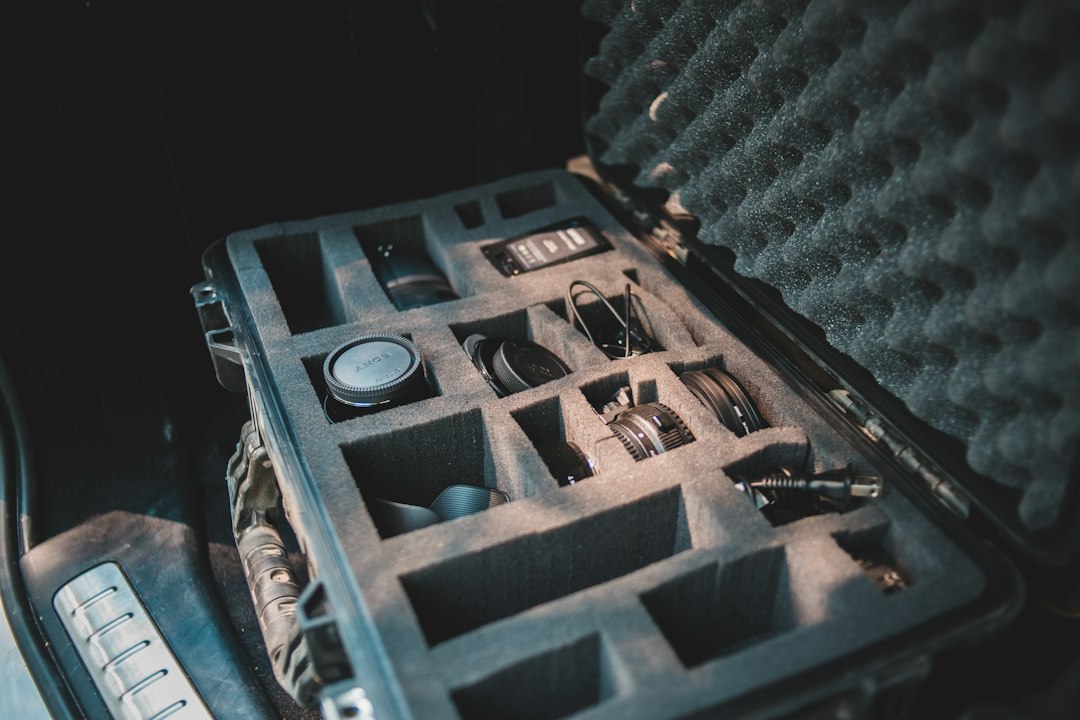
Buy organizers for stability and fit—seatback units, trunk dividers and center console trays are worth the small expense when they match your vehicle’s layout. DIY solutions—like using labeled bins or repurposed shoeboxes—work if you’re on a budget, but expect more frequent replacements and a less tailored fit.
- Pick a dedicated trash container and empty it regularly.
- Install one fixed organizer (seatback or trunk) this week.
- Create a 60-second exit routine and practice it for a week.
- Keep a microfiber cloth and small cleaner in the vehicle.
- Audit glove box contents and digitize documents where possible.
Consistent small actions plus one well-chosen organizer deliver the biggest impact. Focus on predictable clutter zones, adopt a short daily reset, and use vertical or under-seat storage to reclaim floor and seat surfaces.
How often should I clean the inside of my car?
A daily 60-second tidy and a weekly 10–15 minute clean keep most cars in good shape; deeper cleaning once a month handles mats and hidden debris.
What’s the best place to keep a trash can in a small car?
Use a small lidded bin in a cup holder, a hanging bag on the passenger seatback, or a clip-on cup-holder trash to avoid taking floor space.
Are seatback organizers worth it?
Yes—especially for families or frequent passengers. They free up the center console and keep essentials accessible without loose clutter.
Can I keep cleaning supplies in the car safely?
Keep cleaners in the trunk or a secure compartment away from heat and children; use sealed bottles and avoid glass containers.
How do I prevent smells in the car?
Remove trash and food promptly, air out the vehicle when possible, and store a small charcoal bag or natural odor absorber in the trunk or under a seat.